
Why Driving Makes Sciatica Worse: Simple Adjustments Before Your Chiropractic Visit in Chicago
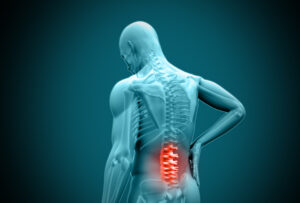 If your leg pain gets worse after driving, sitting in traffic, or getting out of the car, you may be dealing with sciatica, piriformis-related irritation, or another mechanical pattern coming from the low back, pelvis, or hip. Many Chicago patients describe the same cycle: the pain starts in the lower back or deep glute, travels down the leg, and becomes more intense after sitting behind the wheel.
At Grandview Health Partners, a physical-location chiropractic clinic in Chicago, this is a common reason people seek care. Long commutes, stop-and-go traffic, desk work, cold weather stiffness, and prolonged sitting can all increase tension around the lumbar spine, hips, and sciatic nerve pathway.
Sciatica is not always the same thing for every patient. It may involve a pinched nerve, disc-related irritation, lumbar joint dysfunction, muscular tension, or piriformis syndrome. The goal is not to guess. The goal is to identify your symptom pattern, reduce irritation, and make smarter decisions before your visit.
Why Does Driving Make Sciatica Worse?
Driving can make sciatica worse because it combines prolonged sitting, limited movement, vibration from the road, and sustained pressure through the lower back, pelvis, and glute area. When the spine, hips, or deep glute muscles are already irritated, this position can intensify pain that travels down the leg.
Sciatica commonly refers to pain, weakness, numbness, or tingling that can begin in the lower back and extend down the leg. MedlinePlus explains that sciatica is a symptom of a medical problem involving the sciatic nerve, not a medical condition by itself. MedlinePlus — Sciatica
In practical terms, driving can aggravate symptoms because your body is locked into one position. Your hip is flexed, your low back may round, your glutes are compressed, and your pelvis may rotate slightly depending on your seat setup. Over time, these small mechanical stresses can build up.
Common Signs Your Leg Pain May Be Sciatica
Not every case of leg pain is sciatica, but there are patterns that deserve attention. Many people searching for a sciatica chiropractor Chicago or pinched nerve chiropractor Chicago report symptoms such as:
- Pain starting in the low back or glute and traveling down the leg
- Burning, electric, or shooting pain
- Tingling or numbness in the leg or foot
- Pain that gets worse when sitting or driving
- Pain that improves when walking or changing positions
- Low back pain with leg pain on one side
If your symptoms change based on posture, sitting, driving, or movement, the problem may be mechanical. A proper evaluation can help determine whether your symptoms are coming from the lower back, piriformis region, hip mechanics, or another source.
Sciatica vs. Piriformis Syndrome: What’s the Difference?
One of the biggest reasons people get confused is that piriformis syndrome can mimic sciatica. The piriformis is a deep muscle in the buttock region. When it becomes tight, irritated, or spasms, it may place pressure on or irritate the sciatic nerve.
Cleveland Clinic explains that piriformis syndrome can cause pain or numbness in the butt, hip, or upper leg when the piriformis muscle presses on the sciatic nerve. Cleveland Clinic — Piriformis Syndrome
Quick Comparison
| Pattern | Where You Feel It | What Often Makes It Worse | What It May Suggest |
|---|---|---|---|
| Lumbar sciatica | Low back, glute, leg, calf, foot | Sitting, bending, driving, lifting | Nerve irritation from the lower back |
| Piriformis syndrome | Deep buttock, hip, upper back of thigh | Sitting, driving, direct glute pressure | Irritation near the piriformis muscle |
| Referred low back pain | Low back, glute, sometimes thigh | Prolonged posture, twisting, lifting | Mechanical low back pattern |
| Local hip issue | Hip, groin, outside hip, glute | Walking, stairs, lying on one side | Hip joint or soft tissue involvement |
This is why two patients with “pain down the leg” may need different care plans. One may need lumbar-focused treatment. Another may need glute/pelvis mobility, hip work, and sitting modifications.
Simple Car Seat Adjustments Before Your Visit
These adjustments are not a substitute for care, but they can help reduce irritation while you wait for your appointment.
1) Move Your Seat Close Enough to Avoid Reaching
If your seat is too far back, your pelvis may roll backward and your low back may round. That can increase pressure in the lumbar spine and aggravate nerve-related symptoms.
Your knees should remain slightly bent when pressing the pedals. You should not need to reach with your leg or pull your back off the seat to drive comfortably.
2) Support Your Lower Back
Try a small lumbar support, a rolled towel, or a thin cushion behind the low back. The goal is to maintain a neutral lumbar curve without forcing your back into an exaggerated arch.
If the support increases leg pain, numbness, or tingling, remove it. The right setup should reduce pressure, not create more symptoms.
3) Remove Your Wallet From Your Back Pocket
Sitting on a wallet can tilt your pelvis and increase pressure through the glute area. For people with piriformis irritation or sciatic-type symptoms, this can be enough to trigger pain during a drive.
Before driving, remove your wallet, phone, keys, or any object from your back pocket.
4) Take Micro-Breaks on Longer Drives
If your symptoms flare after 30 to 45 minutes, build in short breaks when possible. Stand, walk for one to two minutes, and gently reset your posture.
In Chicago, that may not always be convenient, especially in traffic or during work routes. But even a short movement break can reduce prolonged pressure.
5) Avoid Aggressive Stretching Before Driving
Many people stretch the hamstrings or glutes hard before getting into the car. If the sciatic nerve is irritated, aggressive stretching can increase symptoms.
A safer first step is gentle movement: short walks, light hip mobility, and avoiding positions that reproduce shooting pain.
What to Avoid When Sciatica Flares While Driving
When leg pain becomes active, it is easy to overcorrect. Patients often try too many stretches, sit in strange positions, or force movement that increases symptoms.
Avoid:
- Driving long distances without breaks
- Sitting with a rounded low back
- Keeping a wallet in your back pocket
- Stretching aggressively if symptoms travel farther down the leg
- Lifting heavy objects during an active flare
- Twisting your low back to “crack it” yourself
- Ignoring progressive numbness or weakness
If pain moves farther down the leg, becomes more intense, or includes increasing numbness, it is time to get evaluated.
How Chiropractic Care May Help Sciatica-Related Driving Pain
A good chiropractic visit for sciatica should start with assessment, not a rushed adjustment. The clinician should ask when symptoms started, what makes them worse, what positions help, and whether there are red flags.
At Grandview Health Partners, a care plan may include:
Initial Evaluation
- Symptom history and movement triggers
- Lumbar, pelvis, and hip mobility testing
- Orthopedic and basic neurologic screening
- Review of strength, sensation, or reflex concerns when needed
- Clear explanation of likely mechanical drivers
Treatment Plan
Depending on the findings, care may include:
- Chiropractic adjustment when appropriate
- Soft tissue work around the low back, glute, hip, or piriformis
- Mobility exercises to reduce irritation
- Core and hip stabilization work
- Driving, sitting, and sleeping recommendations
- Home strategies to reduce flare-ups
The goal is not just temporary relief. The goal is to improve movement tolerance, reduce nerve irritation, and help you sit, drive, work, and walk with more confidence.
Local Relevance: Why This Is Common in Chicago
Chicago creates a perfect storm for sciatica-type symptoms: long commutes, heavy traffic, cold weather stiffness, physically demanding jobs, and desk-heavy work. Many patients combine driving with hours at a computer, which keeps the hips flexed and the spine in sustained positions.
Even searches like chiropractor for computer neck pain Chicago often connect to the same broader pattern: prolonged sitting, poor ergonomics, reduced mobility, and muscular guarding. The body does not separate “desk posture” from “driving posture” as cleanly as search keywords do. If you sit all day and drive often, both patterns can feed into low back, hip, and leg symptoms.
That is why a chiropractic clinic in Chicago should look at your daily routine, not just the painful area.
Chiropractic Care vs. At-Home Fixes vs. Medical Evaluation
| Option | Pros | Cons | Best For |
|---|---|---|---|
| Chiropractic evaluation and care | Identifies mechanical drivers, improves mobility, guides home care | Not appropriate for every case; needs proper screening | Pain affected by sitting, driving, posture, movement |
| At-home exercises | Accessible and low cost | Wrong exercise can worsen symptoms | Mild symptoms with no red flags |
| Medication | May reduce short-term pain | Does not correct movement or mechanical triggers | Short-term flare support under medical guidance |
| Massage | Can reduce muscle tension | May not address nerve irritation or lumbar mechanics | Mild glute/low back tension |
| Medical evaluation | Important for red flags or severe symptoms | May require imaging or referral | Progressive weakness, severe numbness, trauma, bowel/bladder changes |
The best choice depends on your pattern. If your pain is tied to sitting, driving, and movement, a structured conservative evaluation is usually the right first step. If symptoms are severe or progressive, medical evaluation should be prioritized.
When to Seek Urgent Medical Care
Most sciatica-type pain is not an emergency, but certain symptoms should not be ignored.
Seek prompt medical attention if you experience:
- Progressive weakness in the leg
- Loss of bladder or bowel control
- Severe or spreading numbness
- Pain after a major fall or accident
- Fever, unexplained weight loss, or severe illness
- Pain that rapidly worsens and does not change with position
A trustworthy provider should know when to treat, when to monitor, and when to refer.
FAQs
1) Why does driving make my sciatica worse?
Driving keeps your hips flexed, compresses the glute area, and holds the low back in one position. If the sciatic nerve or surrounding structures are already irritated, this can increase pain, tingling, or numbness down the leg.
2) How do I know if it is sciatica or piriformis syndrome?
Sciatica often starts in the lower back and may travel to the calf, foot, or toes. Piriformis syndrome often feels deeper in the buttock or hip and may worsen with sitting or direct pressure. A clinical exam is the best way to separate the patterns.
3) Can a chiropractor help pain that travels down the leg?
Chiropractic care may help when the pain is mechanical and there are no red flags. Care may include adjustments, soft tissue work, mobility exercises, and postural changes for sitting and driving.
4) Should I stretch my glute if I have sciatic pain?
Not always. If stretching increases tingling, burning, or pain farther down the leg, it may be irritating the nervous system. Gentle movement and evaluation are safer first steps.
5) What can I do before my chiropractic appointment?
Adjust your seat, use light lumbar support if helpful, remove your wallet from your back pocket, take short walking breaks, and avoid aggressive stretching that increases symptoms.
6) When is leg numbness a serious concern?
If numbness worsens, spreads, or comes with progressive weakness or loss of bladder/bowel control, seek medical care promptly.
If driving, sitting, or commuting in Chicago is making your leg pain worse, a focused evaluation can help you understand what is happening and what to do next. At Grandview Health Partners, we help patients with sciatica-type pain, low back and leg pain, glute discomfort, tingling, numbness, and posture-related symptoms.
Schedule a visit to get clear answers, a practical care plan, and steps designed to help you drive, sit, and move with less pain.


