
Chicago is on the verge of seeing its first snowflakes of the season, with lake-effect precipitation expected to shift around the shoreline areas later this week. While totals may be light and spotty, the bigger issue for many Chicago-area residents is what comes with the first wintry mix: slick sidewalks, tense commutes, and a sudden spike in back, neck, and joint pain from slips, falls, and cold-weather stiffness.
For people across Chicago, IL and nearby communities, the first snow event often catches bodies off-guard—especially if you’ve been less active outdoors or dealing with lingering aches. That’s where chiropractic-focused injury prevention and recovery can make a meaningful difference.
Why the First Snowfall Matters for Chicago-Area Routines
Who is affected
Drivers, pedestrians, outdoor workers, students, and older adults across Chicago, IL are typically the first to feel the impact of early-season lake-effect weather—particularly those commuting near the lakefront and those walking to transit stops, schools, or workplaces.
What’s expected this week
Forecast conditions point to lake-effect rain developing early Thursday, with the potential for snowflakes to mix in during the morning where the lake-effect band sets up. As the system evolves, the main lake-effect focus is expected to shift toward northwest Indiana by Friday morning, with precipitation continuing there into early Saturday and potentially creating slushy patches on grassy surfaces.
Where conditions may change fastest
The most variable conditions often occur near the Illinois shoreline and into northwest Indiana, where lake-effect bands can intensify or drift within short time windows. Even if much of Chicago remains relatively dry, localized slick spots can still form on bridges, shaded sidewalks, and untreated pavement.
When to be most cautious
Early mornings and evenings tend to be the riskiest times for slips and strains, especially Thursday morning and Friday into early Saturday for areas closer to the lake-effect zone. A chilly, sunny weekend in the 40s may feel calmer, but cold temperatures can still aggravate muscles and joints.
Why this “first event” causes more injuries
Early-season conditions often produce “surprise slickness.” People haven’t adjusted footwear, walking patterns, or driving behavior yet, and bodies may be less conditioned for cold-weather movement—leading to higher rates of sudden twists, awkward falls, and muscle tightening.
The Chiropractic Perspective: Common Cold-Weather Injuries We See After First Snow
When Chicago’s first snow or wintry mix arrives, chiropractic clinics frequently see a predictable pattern of injuries and flare-ups. Even a minor slip that doesn’t seem serious can irritate joints and soft tissues—sometimes symptoms don’t peak until 24–72 hours later.
Some of the most common problems associated with early winter weather include:
– Low back pain from sudden slips or bracing movements
– Neck and upper-back tension from cold-induced muscle guarding
– Hip, knee, or ankle discomfort from uneven footing and “near-falls”
– Headaches triggered by cervical strain or increased muscle tightness
In Chicago, IL, these issues often rise during the first few weather shifts of the season, especially when rain transitions into mixed precipitation and surfaces become inconsistent.
How Grandview Health Partners Can Help After a Slip, Strain, or Winter Flare-Up
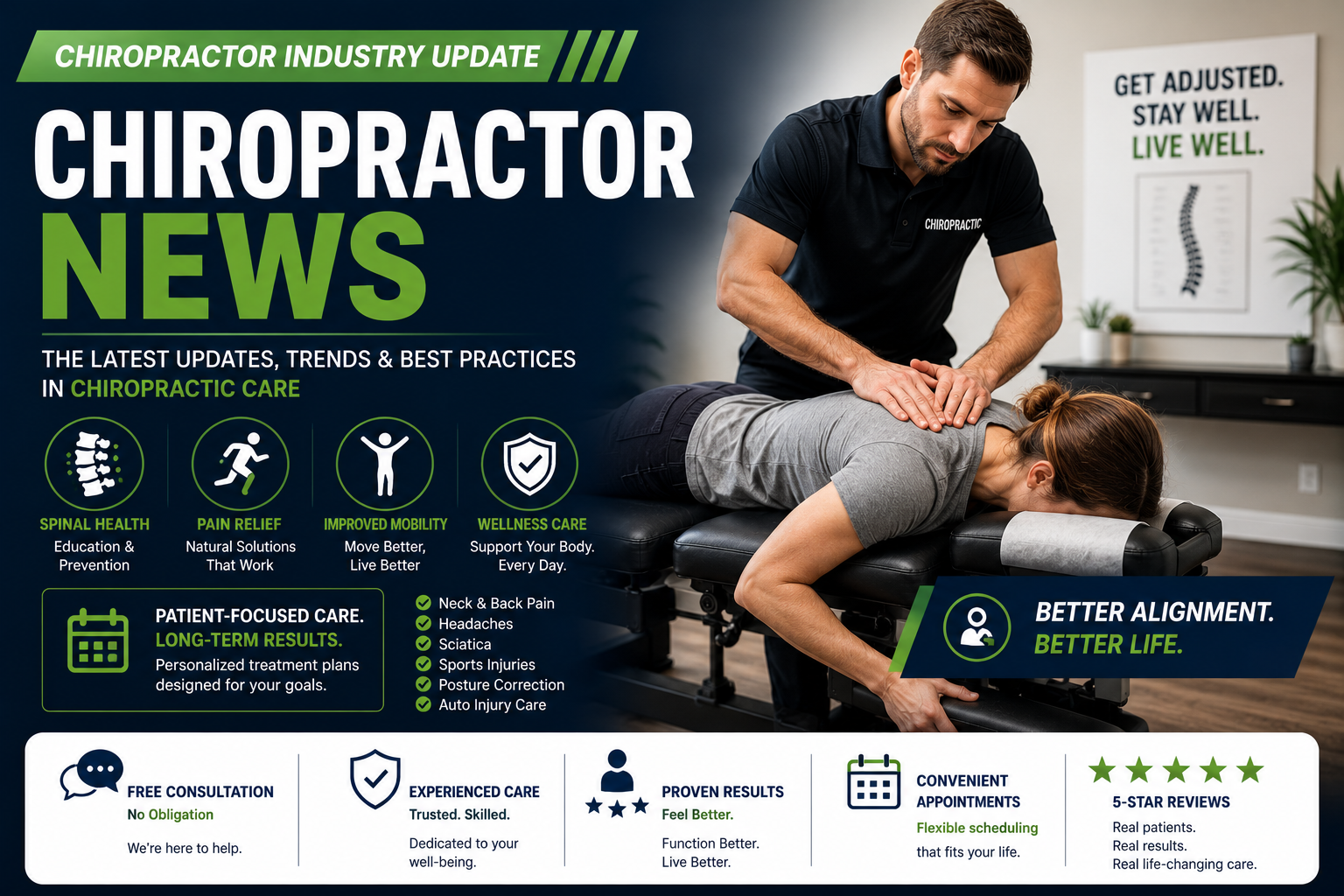
As a chiropractor-focused provider, Grandview Health Partners supports patients who experience weather-related aches, mobility limitations, and injuries connected to slips, falls, and sudden movement changes.
Chiropractic care can be relevant in early winter for:
– Evaluating whether pain is coming from joint restriction, soft-tissue strain, or postural compensation
– Restoring mobility after a “tweaked” back or neck from bracing during a slip
– Helping reduce stiffness that worsens in colder temperatures
– Creating a plan to support safer movement (walking mechanics, stretching, recovery strategies)
If you’re in Chicago, IL and you notice pain increasing after a morning commute, shoveling, or a near-fall on a slick sidewalk, getting assessed sooner can help prevent a minor problem from becoming a lingering injury.
Local Winter Reality: Chicago Sidewalks, Commutes, and the Hidden Risk of “Light” Snow
Chicago, IL doesn’t need a major snowstorm for injuries to rise. Even light snowflakes mixing with rain can create thin slick layers, especially on:
– Sidewalk corners and crosswalks near busy intersections
– Bus/train station approaches and parking lots
– Building entrances where water refreezes overnight
And because lake-effect bands can shift, one neighborhood may stay dry while another suddenly deals with slippery patches. Staying proactive is key for Chicago residents trying to avoid setbacks heading into the winter season.
Actionable Takeaways for Chicago Residents This Week
- Slow down your walking pace and shorten your steps on wet or potentially icy surfaces—most falls happen during hurried transitions.
- Assume bridges, shaded sidewalks, and painted crosswalk lines can be slick even if main roads look fine.
- If you slip or “catch yourself,” pay attention over the next 48 hours—delayed back or neck pain is common.
- Avoid “toughing it out” if pain is worsening, radiating, or limiting your movement; early care can reduce the chance of compensatory injuries.
- Stay warm and mobile: gentle movement and light stretching can help reduce cold-related stiffness.
Frequently Asked Questions
Next Steps for Chicago, IL Patients Dealing With Winter Pain
If this week’s shifting lake-effect weather leaves you with new back pain, neck stiffness, or a flare-up after a slip or near-fall, Grandview Health Partners can help you understand what’s driving your symptoms and build a recovery plan. Scheduling early is often the best way to prevent a small issue from becoming a long-term limitation during the Chicago winter.
This article is a commentary-based rewrite for informational purposes, based on this source.


