
Chiropractor After a Car Accident in Chicago: What to Do Next
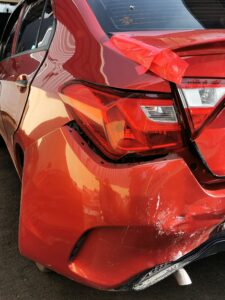 If you’re searching for a car accident chiropractor in Chicago, you’re likely trying to solve two problems fast: protecting your health (even if you “feel fine”) and figuring out the right next steps so symptoms don’t spiral later. In Chicago, it’s common for crash-related pain to show up hours or days after the impact due to stress hormones, muscle guarding, and delayed inflammation—especially after rear-end collisions and side impacts.
This guide walks you through what to do in the first 24 hours, what symptoms to watch for, what a reputable chiropractic clinic for accidents in Chicago should evaluate, and how to choose the right care path for neck and back injuries.
What to do in the first 24 hours after a crash
Think of the first day as “baseline day.” What you do now helps your recovery and creates clarity about what changed.
1) Prioritize safety and urgent medical evaluation when needed
Seek urgent care right away if you have:
- Worsening severe headache, confusion, fainting, vision changes
- Progressive weakness in an arm or leg, severe numbness
- Chest pain, shortness of breath
2) Document the essentials (simple, not obsessive)
- Photos of vehicles and the impact area
- Insurance and report information
- A short symptom timeline (what you felt at the scene vs later)
3) Avoid “testing” your body aggressively
Skip heavy lifting and aggressive stretching. Light walking and gentle movement are typically safer while you monitor symptoms.
Chicago reality check: if you’re driving the Kennedy or Dan Ryan soon after a collision, pay attention to pain with sitting, head turns, or braking—those are common early triggers for neck and mid-back symptoms.
Why symptoms can be delayed—even if you feel fine today
Many people search chiropractor after a crash Chicago because symptoms don’t always show up immediately. It’s normal for soreness and stiffness to increase over 24–72 hours.
Common reasons:
- Stress hormones temporarily reduce pain awareness
- Muscles tighten to protect injured tissues (guarding)
- Inflammation builds gradually
- Soft tissue strain (ligaments/joint capsules) becomes more noticeable later
A medically grounded overview of whiplash (a common crash injury mechanism): MedlinePlus: Whiplash
When it makes sense to see a car accident chiropractor in Chicago
Chiropractic care is often appropriate when the primary issue is mechanical: joint motion restriction, soft tissue strain, postural compensation, and movement-related pain.
Common reasons to book an evaluation (same day or soon after)
- New neck or back stiffness (even mild)
- Pain between the shoulder blades or low back pain when sitting
- New headaches, tight traps, or reduced neck rotation
- Tingling that comes and goes in the arm or hand
- Pain that increases with driving, screen time, or turning your head
If you’re searching same-day chiropractor after accident Chicago, the goal isn’t “adjustment first.” The goal is: evaluate, measure, and plan.
What a reputable accident chiropractic clinic should include (what to expect)
A quality visit should feel like a clinical assessment, not a quick “crack and go.”
Collision history and symptom mapping
- Rear-end vs side impact vs front impact
- Seatbelt/airbag involvement
- Head and body position during impact
- Symptoms now vs delayed changes (sleep, dizziness, headaches)
Functional exam
- Cervical and lumbar range of motion
- Posture, gait, and compensation patterns
- Soft tissue palpation for guarding and tenderness
- Basic neuro screening (strength, reflexes, sensation)
A phased care plan with measurable benchmarks
A strong plan includes:
- Clear goals (pain, mobility, driving tolerance, sleep)
- Frequency that makes sense early, then reduces
- Re-checks to confirm progress and adjust the plan
- Home steps that take minutes, not hours
Whiplash and neck pain after a crash in Chicago: what chiropractic care may include
If you’re looking for a whiplash chiropractor in Chicago or help for neck pain after a car accident, treatment often combines:
- Gentle mobilization/adjustments based on tolerance
- Soft tissue therapy to reduce muscle guarding
- Neck stability and scapular control exercises
- Ergonomics for driving and screen time
- Gradual return to activity (not “push through it”)
For evidence-based context on spinal manipulation and what research says, see: Spinal Manipulation—What You Need to Know
Chicago-specific recovery factors that can affect your timeline
Chicago has a few local realities that can extend symptoms if you don’t account for them:
- Winter stiffness: cold increases muscle tone and reduces mobility tolerance
- Commute stress: long sitting + tension can flare neck and low back pain
- Physical jobs: early return to lifting or repetitive work can reinforce compensation patterns
That’s why care plans often include driving posture tips, micro-break strategies, and activity pacing.
Comparison: Chiropractor vs “wait and see” vs other options
| Option | Pros | Cons | Best for |
|---|---|---|---|
| Accident-focused chiropractic care | Improves mobility, reduces guarding, structured plan | Requires consistency and home steps | Stiffness, delayed pain, movement limitations |
| Wait and see | No time investment at first | Can allow compensation and chronic pain | Very minor impact + no functional change |
| ER/Primary care | Rules out serious injury | May not address movement rehab | Significant trauma, red flags, severe symptoms |
| Physical therapy | Strong for long-term strength and retraining | May feel slower if stiffness is dominant early | Return-to-work conditioning, prevention |
| Medication only | Temporary symptom relief | Doesn’t address mechanics; can mask issues | Short bridge while starting active care |
Trust and credibility: how to choose the right chiropractor in Chicago
If you want the “right fit,” look for operational trust signals:
- Clear explanation of findings and what they’re ruling out
- Measured progress (mobility, pain scale, driving tolerance, sleep)
- A phased plan (relief → mobility → stability → prevention)
- Realistic home plan (5–10 minutes/day)
- Willingness to refer out when necessary
FAQs
1) Should I see a chiropractor even if I don’t feel pain after a crash?
If the impact was more than minor or you notice stiffness, headaches, sleep changes, or reduced mobility, a functional evaluation can be a smart move. Symptoms often appear later.
2) How long can it take for neck or back pain to show up?
Many people feel it within 24–72 hours, as inflammation and muscle guarding increase.
3) What happens at the first accident chiropractic visit?
A collision history, mobility testing, posture screening, soft tissue assessment, basic neuro checks, and a phased care plan with re-checks.
4) What symptoms mean I should seek urgent medical care?
Progressive weakness, severe numbness, worsening severe headache, confusion/fainting, chest pain, shortness of breath, or loss of bowel/bladder control.
5) How many sessions will I need?
It depends on severity, your job/commute demands, and how quickly you start care. Early intervention plus a home plan typically improves outcomes.
6) Can I be seen the same day as the accident?
Often yes, if you’re medically stable and don’t have red flags. Same-day evaluation helps establish a baseline and plan.
If you’ve been in a crash and want clarity on what to do next, Grandview Health Partners can provide a structured post-accident evaluation focused on mobility, neck and back symptoms, and a practical recovery plan. The goal is simple: confirm what’s going on now, prevent delayed symptoms from becoming chronic, and track measurable progress as you return to normal life in Chicago.


