
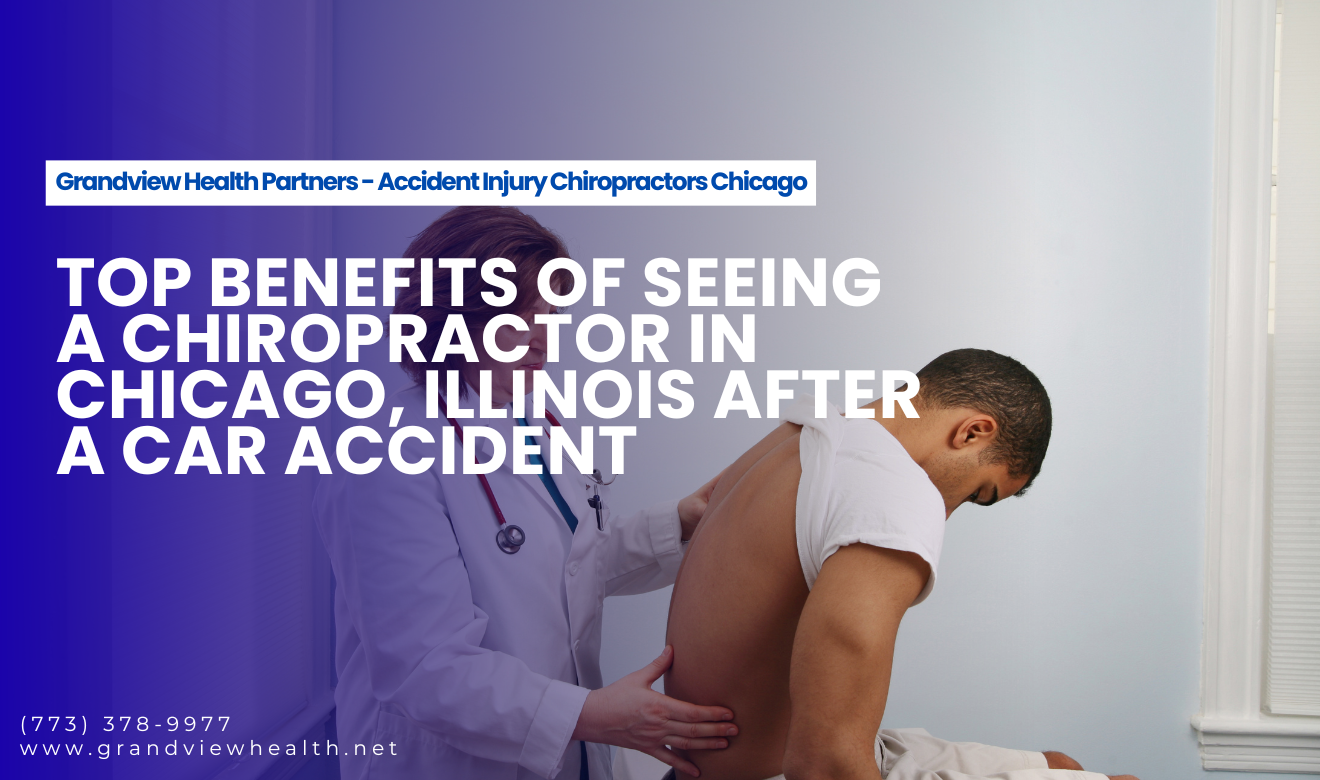
Seeing a chiropractor in Chicago for crash injuries can help reduce pain, restore movement, and catch issues that don’t always show up right away after a car accident. For example, if your neck feels “fine” the first day but gets stiff and sore a few days later, targeted chiropractic care can address whiplash-related tension and limited range of motion. If your lower back starts aching when you sit, stand, or drive, adjustments and soft-tissue work may help relieve pressure and improve how your spine and hips move together. And if you’re dealing with headaches, shoulder tightness, or tingling down an arm, a chiropractor can evaluate whether joint irritation or muscle strain from the crash is contributing and guide a treatment plan to support recovery.
Why crash symptoms can show up late (and why that matters)
One reason people look for a chiropractor in Chicago for crash injuries is that many auto accident symptoms don’t peak the same day as the collision. Even “minor” crashes can cause quick stretch-and-sprain forces through the neck, mid-back, low back, shoulders, and hips.
Delayed symptoms often happen because:
- Adrenaline masks pain in the hours after impact.
- Inflammation builds over 24–72 hours, increasing stiffness and soreness.
- Protective muscle guarding tightens around irritated joints, limiting motion.
- Micro-injuries to soft tissue (ligaments, tendons, fascia) can worsen with normal activity like driving, lifting, or sitting.
If you’re noticing symptoms days later, a chiropractor in Chicago for crash injuries can assess range of motion, joint irritation, muscle tension patterns, and nerve-related signs to help you respond early rather than “wait it out.”
Common car accident injuries chiropractors evaluate
When you visit a chiropractor in Chicago for crash injuries, the exam typically focuses on how the collision affected your mobility, tissue healing, and daily function. Some of the most common issues include:
Whiplash and neck strain
Whiplash is a rapid back-and-forth motion of the neck that can irritate joints, strain muscles, and stress ligaments. Symptoms may include:
- Neck stiffness and reduced rotation
- Pain when looking down or checking blind spots
- Headaches (often starting at the base of the skull)
- Upper back tightness or shoulder tension
Many people search for a chiropractor in Chicago for crash injuries specifically for whiplash because restoring controlled movement early can help prevent persistent tightness and compensation patterns.
Low back pain and pelvic/hip irritation
Seatbelts, bracing, and sudden deceleration can stress the lumbar spine and SI (sacroiliac) joints. Common complaints include:
- Aching when sitting, standing, or driving
- Sharp pain with bending or getting out of the car
- Hip tightness, uneven walking, or difficulty sleeping comfortably
Radiating symptoms (tingling, numbness, burning)
Tingling down an arm or leg after a crash can be a sign of nerve irritation. A chiropractor in Chicago for crash injuries may perform neurological screening (reflexes, strength, sensation) and orthopedic tests to determine whether symptoms appear consistent with nerve involvement.
Shoulder, rib, and mid-back pain
Bracing on the steering wheel or twisting during impact can strain the thoracic spine, ribs, and shoulders. This can feel like:
- Pain with reaching or lifting
- Tightness between the shoulder blades
- Discomfort with deep breathing or certain sleeping positions
What to expect at your first visit
A quality evaluation is a major benefit of seeing a chiropractor in Chicago for crash injuries. While each case is different, most first visits include:
- History and crash details: direction of impact, speed, head position, immediate symptoms, and current limitations
- Range-of-motion testing: neck, back, shoulders, hips
- Orthopedic and neurological screening: to check for red flags and nerve-related involvement
- Posture and movement assessment: how you walk, sit, and bend
- Plan of care: frequency, home guidance, and measurable goals (pain levels, mobility, function)
If imaging or medical referral is appropriate, many clinicians will coordinate next steps. This is especially relevant when symptoms suggest concussion, fracture risk, progressive neurological changes, or severe unrelenting pain.
How chiropractic care supports recovery after a car accident
People often choose a chiropractor in Chicago for crash injuries because chiropractic care emphasizes restoring mobility, reducing mechanical stress, and improving how the body moves during healing. A care plan may include a mix of hands-on and active therapies, depending on your tolerance and stage of recovery.
Targeted spinal and joint work
Chiropractic techniques may focus on improving motion in restricted spinal segments and related joints (like ribs, shoulders, or hips). When appropriate, this can help:
- Decrease joint stiffness
- Improve functional range of motion
- Reduce compensations that overload other areas
If you want to understand this approach more, this overview of Chiropractic Adjustments explains how adjustments are used to support mobility and recovery.
Soft-tissue work for tight, reactive muscles
After a crash, muscles often tighten to protect irritated joints. This “guarding” can persist long after the initial injury. A chiropractor in Chicago for crash injuries may use soft-tissue approaches to address:
- Trigger points and knots
- Fascial tightness restricting movement
- Soreness around the neck/shoulders and low back/hips
Rehab-style stretching and strengthening
Passive care helps, but lasting improvement usually requires retraining movement. Many plans include guided stretching, stability work, and gradual strengthening to help you:
- Regain confidence in movement
- Improve posture and mechanics for work/driving
- Reduce the risk of recurring flare-ups
Pain-relief modalities (when appropriate)
Depending on your findings, a chiropractor in Chicago for crash injuries may incorporate supportive therapies to help calm pain and inflammation early on, especially when movement feels too irritable at first.
Quick timeline: what recovery can look like
Recovery varies based on impact severity, previous injuries, overall health, and how quickly care begins. The goal of a chiropractor in Chicago for crash injuries is typically to help you progress from pain control to mobility, then to strength and return to normal activity.
Here’s a simple way to think about the phases:
| Phase | What you may feel | Typical care focus |
|---|---|---|
| Early (first days–2 weeks) | Stiffness, soreness, headaches, guarded movement | Gentle motion restoration, pain control, inflammation management, home guidance |
| Rebuild (2–6 weeks) | Less pain but limited range of motion, fatigue with activity | Mobility + soft-tissue care, progressive stretching, stability and posture work |
| Return to routine (6+ weeks) | Occasional tightness, symptoms triggered by long drives/workouts | Strength progression, endurance, prevention strategies, activity-specific training |
| If symptoms persist | Pain plateaus, recurring headaches, radiating symptoms | Re-evaluation, consider imaging/referral, adjust plan, coordinate care when needed |
Signs you should get checked sooner rather than later
It’s smart to consider a chiropractor in Chicago for crash injuries promptly if you notice:
- Neck stiffness that makes driving uncomfortable
- Headaches that started after the crash (or worsened)
- Low back pain that increases with sitting or standing
- Shoulder pain with reaching, lifting, or sleeping
- Tingling, numbness, or weakness in an arm or leg
- A “twisted” feeling in the hips/pelvis or uneven stride
These don’t automatically indicate a serious condition, but they are common reasons people seek a chiropractor in Chicago for crash injuries to prevent small movement issues from turning into chronic pain patterns.
Red flags that require urgent medical care
Chiropractic care can be helpful for many musculoskeletal injuries, but some symptoms should be evaluated immediately in an ER or urgent care setting. Seek urgent medical attention if you have:
- Loss of consciousness, worsening confusion, or severe dizziness (possible concussion/brain injury)
- Chest pain, shortness of breath, or severe abdominal pain
- Progressive weakness, loss of coordination, or new bowel/bladder changes
- Suspected fracture, severe swelling/deformity, or inability to bear weight
- Severe headache unlike any you’ve had before
A responsible chiropractor in Chicago for crash injuries will also screen for these concerns and refer out when needed.
Documentation and the “personal injury” side of a crash
After an accident, your health comes first—but practical steps matter, too. If you’re dealing with a personal injury situation, thorough clinical documentation can help clarify what you’re experiencing and how it impacts your function over time.
A chiropractor in Chicago for crash injuries may document items such as:
- Date of onset and progression of symptoms
- Objective findings (range of motion limits, orthopedic test results)
- Functional restrictions (driving tolerance, sitting tolerance, work limitations)
- Response to care (measurable changes visit to visit)
This type of objective tracking is also helpful clinically—it shows whether you’re truly improving or whether the plan needs to change.
How to choose the right chiropractor for crash injuries in Chicago
Not every clinic approaches auto injuries the same way. When looking for a chiropractor in Chicago for crash injuries, consider these practical criteria:
- Crash-injury experience: familiarity with whiplash, back strain, nerve irritation patterns, and return-to-driving demands
- Clear re-exams and measurable goals: range of motion, pain scores, function-based milestones
- Communication and coordination: willingness to refer or collaborate when symptoms require it
- Active rehab included: not just passive care—look for guided mobility and strengthening
- Patient education: you should understand what’s going on and what you can do at home
For a broader view of rehab-oriented care, you can also read how chiropractic care in Chicago supports personal injury rehabilitation, including common goals and recovery planning.
Real-world example: what improvement can look like
Here’s a common scenario a chiropractor in Chicago for crash injuries sees (details generalized):
- Week 1: Patient reports neck stiffness, headaches, and difficulty turning to check blind spots. Exam shows reduced cervical rotation and upper back tightness.
- Weeks 2–3: Headaches decrease in frequency; rotation improves; patient can drive with less discomfort. Soft-tissue sensitivity still present after long workdays.
- Weeks 4–6: Patient transitions to mobility + strengthening focus, building tolerance for full work shifts and longer drives with fewer flare-ups.
While results vary, this pattern—reduce irritation, restore movement, rebuild capacity—is a typical roadmap when working with a chiropractor in Chicago for crash injuries.
What you can do at home between visits
To get more out of care with a chiropractor in Chicago for crash injuries, your day-to-day habits matter. General, low-risk tips often recommended include:
- Use short, frequent walks to prevent stiffness from prolonged sitting.
- Avoid long static postures (phone scrolling, slouched couch sitting, extended driving without breaks).
- Use ice or heat appropriately based on what reduces your symptoms (your provider can guide timing).
- Stay within a “tolerable” range—pushing through sharp pain can prolong irritation.
Your chiropractor may also prescribe specific stretches or stabilization exercises based on your exam so you’re not guessing.
Back to Your Life, Not Just “Back to Normal”
When you’re sore, stiff, and unsure what’s going on after a collision, working with a chiropractor in Chicago for crash injuries can provide structure: a clear exam, a plan, and measurable progress markers. The goal isn’t only to reduce pain—it’s to help you drive comfortably again, sit through a workday, sleep without constant repositioning, and move without that “something is off” feeling.
Most importantly, a trusted chiropractor in Chicago for crash injuries should practice with safety-first screening, evidence-informed techniques, and functional rehab principles—while knowing when to refer for imaging or medical evaluation. That blend of clinical judgment, documentation, and progressive care is what helps many crash patients recover with confidence.
Keyword focus recap: If you’re searching for a chiropractor in Chicago for crash injuries, prioritize a provider who evaluates delayed symptoms thoroughly, tracks objective improvements, and builds a plan that returns you to real-life activities—not just a temporary reduction in discomfort.
Frequently Asked Questions
Don’t Wait for Crash Pain to “Settle In”—Get Checked in Chicago
If you’ve been in an accident and you’re starting to notice stiffness, headaches, back pain, or that “something feels off” feeling, don’t chalk it up to normal soreness. The sooner you get a thorough, movement-based evaluation, the easier it is to catch hidden issues early and build a clear plan to get you back to driving, working, and sleeping comfortably. Schedule a crash-injury assessment with Grandview Health Partners – Accident Injury Chiropractors Chicago today.


