
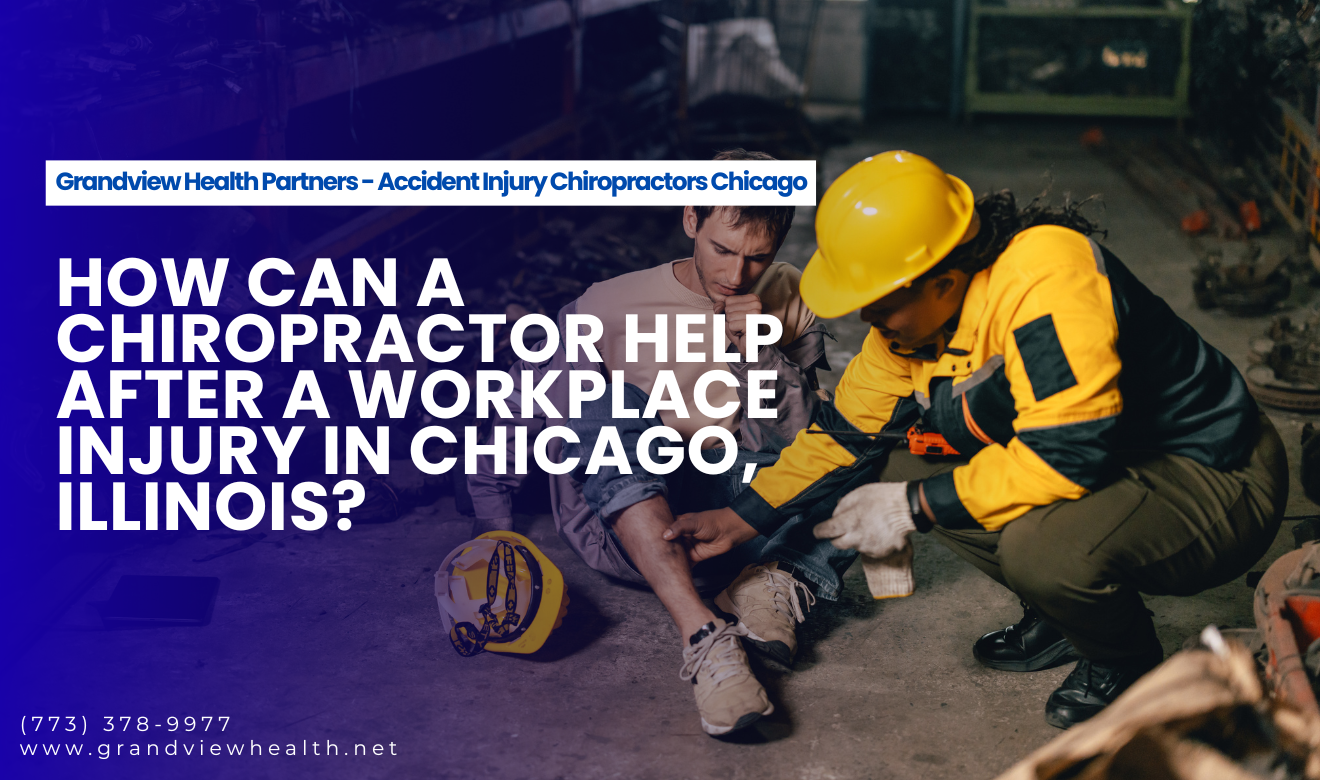
If you were hurt on the job in Chicago, a chiropractor in Chicago for workplace accident cases can help by evaluating your injury, reducing pain, improving mobility, and guiding a safe return to work. For example, if you strained your back lifting boxes, chiropractic adjustments and targeted stretching can ease stiffness and help you bend and lift more comfortably. If you slipped on a wet floor and now have neck pain or headaches, gentle neck care and posture work may calm symptoms and restore normal movement. If you sit at a desk all day and your wrist, shoulder, or mid-back pain flared up, a chiropractor can address joint restrictions and give simple ergonomic changes you can use immediately.
Why Seeing a Chiropractor After a Work Injury Matters
After an on-the-job injury, it’s common to “wait it out” and hope the pain fades. The problem is that small issues—like joint restrictions, muscle guarding, and inflamed soft tissue—can linger and turn into recurring flare-ups, especially when your job requires lifting, standing, driving, typing, or repetitive motion.
Working with a chiropractor in Chicago for workplace accident cases helps you get a clear clinical picture of what’s going on, start conservative care early, and build a plan that supports recovery and safer work function. It can also be helpful when injuries are part of a broader personal injury situation where symptoms and functional limitations need to be documented consistently over time.
Common Workplace Accident Injuries Chiropractors Treat
A chiropractor in Chicago for workplace accident injuries often sees patterns that match how the injury happened—sudden trauma (like a slip) or cumulative stress (like repetitive strain). Here are some of the most common conditions that respond well to conservative care.
Back and Low Back Strain
Work-related back pain is frequently caused by lifting, twisting, bending, or a sudden “catch” while moving equipment. A chiropractor in Chicago for workplace accident injuries may focus on improving spinal motion, reducing muscle spasm, and restoring tolerance to daily tasks.
- Common symptoms: stiffness, spasms, pain with bending or sitting, reduced range of motion
- Often linked to: poor lifting mechanics, deconditioning, prolonged sitting or driving
Neck Pain, Headaches, and Whiplash-Like Injuries
Slips, falls, sudden stops in a work vehicle, or even a forceful jolt can strain the neck and upper back. A chiropractor in Chicago for workplace accident recovery plans may include gentle joint work, soft-tissue techniques, and posture retraining.
- Common symptoms: neck tightness, headaches, shoulder tension, limited turning
- Often linked to: falls, impacts, awkward bracing, prolonged screen time
Repetitive Strain (Wrist, Elbow, Shoulder)
Keyboard use, scanning, tool work, assembly lines, and repeated gripping can irritate tendons and overload joints. A chiropractor in Chicago for workplace accident evaluation can help identify whether pain is coming from local tissue irritation, joint dysfunction, or nerve tension.
- Common symptoms: aching, burning, tingling, weakness, pain with gripping
- Often linked to: repetitive motions, poor ergonomics, inadequate breaks
Hip, Knee, Foot, and Ankle Injuries
Trips and falls often cause more than bruising—they can trigger lingering joint irritation or compensation patterns that stress the back. A chiropractor in Chicago for workplace accident care plan may include mobility work, gait guidance, and strengthening to restore stability.
- Common symptoms: pain walking, swelling, instability, stiffness on stairs
- Often linked to: slips, missteps, uneven surfaces, repetitive squatting
What to Expect at Your First Appointment
If you’re searching for a chiropractor in Chicago for workplace accident injuries, knowing what the first visit looks like can reduce stress. Most initial evaluations include three big steps: understanding the injury, examining movement/neurology, and creating a care plan based on findings.
1) Injury History and Work Demands Review
- How the injury happened (lift, fall, collision, repetitive work)
- Where symptoms started vs. where they spread
- What makes it worse (sitting, bending, reaching, driving)
- Key job tasks (lifting requirements, shift length, posture demands)
2) Physical Exam Focused on Function
- Range of motion testing (neck, back, shoulder, hip, etc.)
- Orthopedic tests to identify tissue involvement
- Neurological screening (strength, reflexes, sensation)
- Posture, gait, and movement pattern assessment
3) Personalized Treatment Plan and Work-Safe Goals
A good chiropractor in Chicago for workplace accident care doesn’t stop at pain relief—it should include measurable functional goals such as:
- Improved ability to sit/stand/walk without flare-ups
- Safer lifting tolerance (hinge mechanics, bracing strategies)
- Reduced headache frequency or neck stiffness
- Better grip strength and wrist/elbow endurance
Chiropractic Techniques Commonly Used for Work Injuries
Not every technique fits every injury. A chiropractor in Chicago for workplace accident cases typically chooses methods based on pain sensitivity, phase of healing, and exam findings.
Chiropractic Adjustments and Joint Mobilization
When joints become restricted (after guarding, inflammation, or compensation), improving motion can decrease pain and restore smoother movement. For many patients, Chiropractic Adjustments are used alongside exercise and soft-tissue care to support recovery and help prevent reinjury.
Soft-Tissue Therapy for Muscle and Fascia
- Myofascial approaches to reduce tightness and “knotted” areas
- Targeted work to calm irritated tissues after overuse
- Techniques that support circulation and tissue recovery
Therapeutic Stretching and Rehab Exercises
A chiropractor in Chicago for workplace accident rehabilitation plan often includes simple, repeatable movements you can do at home or at work. The goal is to improve mobility and rebuild capacity without triggering symptoms.
- Hip flexor and hamstring mobility for back strain
- Thoracic mobility for desk-related mid-back pain
- Scapular control drills for shoulder overload
- Nerve glides when tingling suggests nerve irritation
Ergonomic and Work-Habit Coaching
Ergonomics isn’t just about fancy chairs. A chiropractor in Chicago for workplace accident recovery plan may include quick changes that reduce re-aggravation:
- Monitor height and keyboard distance for neck/shoulder strain
- Micro-break routines (60–90 seconds every 30–60 minutes)
- Lifting “setup” cues: foot position, hinge, load close to body
- Tool-grip modifications for wrist and elbow stress
Workers’ Comp and Documentation: How Chiropractic Care Fits In
When you’re hurt at work, documentation matters—not just for paperwork, but to make sure the care matches your job demands and progression. A chiropractor in Chicago for workplace accident injuries may help by tracking objective findings over time, such as changes in range of motion, strength, or functional tolerance.
If you want a deeper overview of how work injuries are handled and what recovery can involve, this resource may help: addressing common workplace injuries in Chicago.
What Good Clinical Notes Often Track
- Pain patterns (location, intensity, triggers)
- Functional limits (lifting, bending, reaching, walking)
- Objective measures (ROM, orthopedic test changes, neuro findings)
- Response to care (what improves, what stalls, what needs adjustment)
Featured Snippet: Signs You Should See a Chiropractor After a Workplace Accident
If you have any of the following, it’s a smart time to see a chiropractor in Chicago for workplace accident evaluation:
- Pain lasting more than 48–72 hours after the incident
- Limited range of motion (can’t turn your head, bend, or reach normally)
- Headaches after a fall or sudden jolt
- Tingling, numbness, or radiating pain into an arm or leg
- Symptoms that worsen during your shift or the day after work
- Recurring flare-ups when you return to normal duties
How Long Does Recovery Take?
Recovery depends on injury severity, tissue type (muscle vs. joint vs. nerve irritation), job demands, and how quickly you start care. A chiropractor in Chicago for workplace accident cases will typically reassess progress regularly and adjust the plan if you plateau.
General Recovery Ranges (Realistic but Variable)
| Injury Type | Common Early Goals | Typical Timeframe (Often) |
|---|---|---|
| Mild strain/sprain (back/neck) | Reduce spasm, restore basic motion, improve sleep | 1–3 weeks |
| Moderate back/neck injury with guarding | Normalize movement patterns, build tolerance to work tasks | 3–8 weeks |
| Repetitive strain (wrist/elbow/shoulder) | Decrease tendon irritation, improve ergonomics, strengthen | 4–12+ weeks |
| Radiating pain/nerve irritation | Reduce nerve sensitivity, improve mobility, graded activity | Varies widely; often 6–12+ weeks |
Important: If you have progressive weakness, loss of balance, bowel/bladder changes, fever, unexplained weight loss, or severe unrelenting pain—seek urgent medical evaluation. A chiropractor in Chicago for workplace accident care should always prioritize safety and appropriate referral.
Simple Tips to Protect Your Body While You Heal
Between visits, your day-to-day choices can speed up (or slow down) progress. A chiropractor in Chicago for workplace accident recovery plan often includes practical guardrails like these:
At Work
- Use micro-breaks: brief posture changes reduce cumulative strain
- Keep loads close: the farther a box is from your body, the higher the stress
- Avoid “all-at-once” activity spikes: ease back into lifting, overtime, or extra shifts
- Switch sides: alternate carrying and repetitive tasks when possible
At Home
- Keep moving gently: short walks and light mobility often beat complete rest
- Prioritize sleep setup: pillow positioning can reduce neck and low back flare-ups
- Use heat/ice strategically: heat for stiffness, ice for acute inflammation (as advised)
What Makes a Strong Choice in a Workplace Injury Chiropractor?
Not every clinic approaches workplace injuries the same way. If you’re looking for a chiropractor in Chicago for workplace accident care, these are good signs you’re in the right place:
- They evaluate function, not just pain (movement quality, work tolerance)
- They explain findings clearly and outline a plan with milestones
- They combine hands-on care with active rehab (not passive-only treatment)
- They re-check progress and adjust when you plateau
- They understand work demands and can tailor restrictions and return-to-work pacing
Back to Work, Stronger Than Before
Getting hurt on the job can shake your confidence—especially if your role is physical or your symptoms keep flaring up at the end of every shift. The right chiropractor in Chicago for workplace accident injuries can help you move from “just trying to get through the day” to a plan that improves mobility, reduces pain, and rebuilds strength for real work-life demands.
Whether your injury came from lifting, a slip and fall, repetitive strain, or long hours at a desk, a chiropractor in Chicago for workplace accident recovery strategy should be focused, measurable, and personalized—so you’re not only healing, but learning how to prevent the same issue from coming back.
By combining evaluation, conservative treatment, movement retraining, and practical work modifications, a chiropractor in Chicago for workplace accident care plan can support a safer, more confident return to your routine.
Professional Standards You Should Expect
- Licensed chiropractic clinical evaluation and evidence-informed care planning
- Clear documentation of findings and functional progress over time
- Safety screening and referral when symptoms fall outside conservative care
- Rehab-based approach that supports long-term work capacity
Frequently Asked Questions
Stop “Toughing It Out” After a Work Injury—Get a Clear Plan to Feel Better (and Work Smarter)
If your job injury is still nagging you—or it flares up the second you’re back to lifting, typing, driving, or standing all day—it’s time to get out of guesswork mode. Grandview Health Partners – Accident Injury Chiropractors Chicago helps Chicago workers figure out what’s really causing the pain, reduce inflammation and stiffness with conservative care, and rebuild strength and mobility with a return-to-work plan that actually fits your job. Book an evaluation and get a straightforward game plan you can follow—so you’re not just “getting by,” you’re getting back to normal.


