
Chiropractor After a Fall in Chicago: When Back, Hip, or Neck Pain Should Be Checked
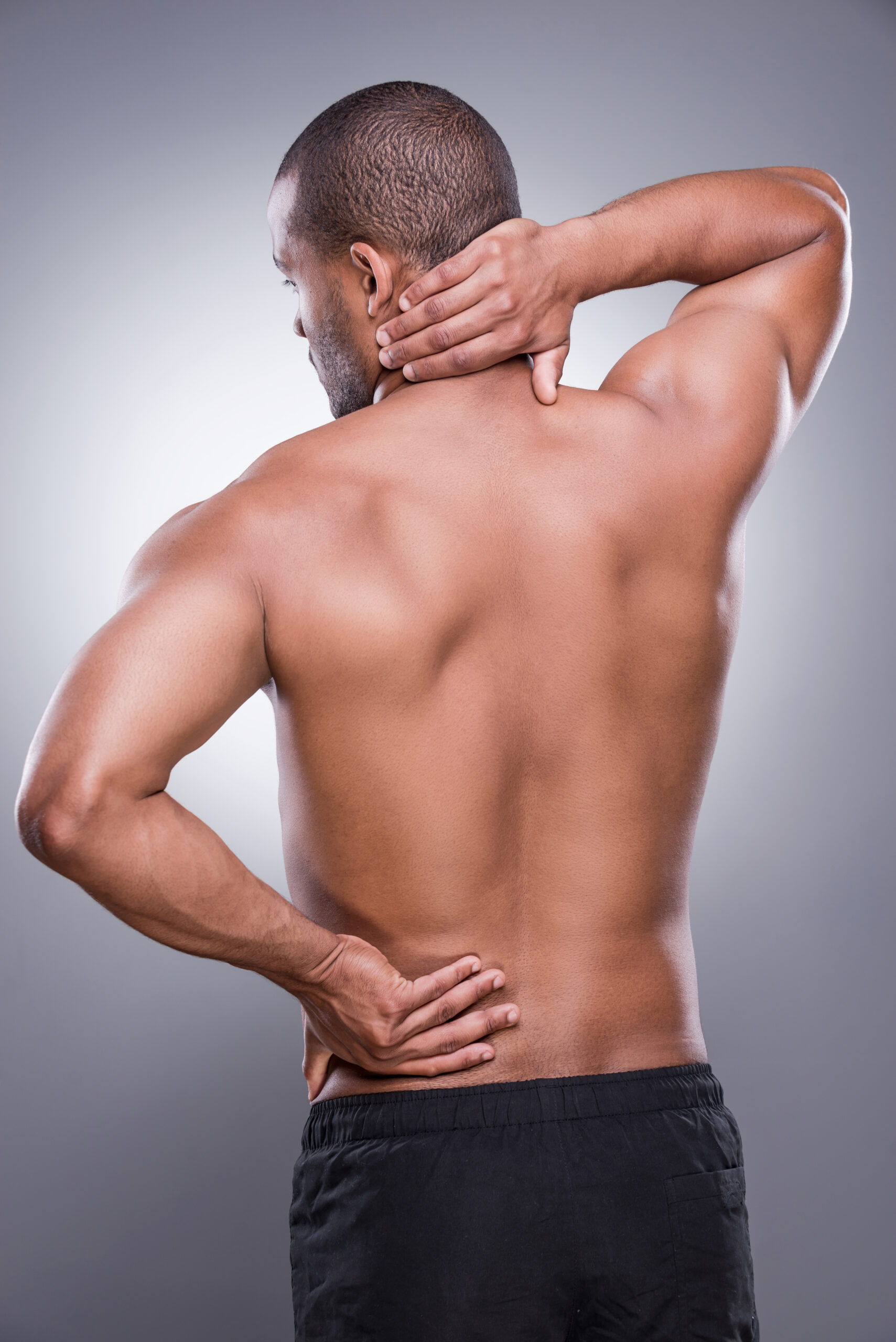 Searching for a chiropractor after a fall in Chicago usually means the pain did not go away as expected, or stiffness started hours after the slip. A fall on a sidewalk, stairs, parking lot, workplace floor, icy surface, or inside the home may seem minor at first, but the impact can still irritate muscles, ligaments, joints, the low back, neck, hips, or pelvis.
Pain after a fall in Chicago may show up immediately or develop later. Some people feel back pain, neck pain, hip pain, low back stiffness, or general muscle soreness the same day. Others wake up the next morning with difficulty walking, turning the neck, sitting, driving, or getting out of bed.
Not every fall-related ache requires chiropractic care, and not every case is appropriate for an adjustment. A proper evaluation helps determine whether the pain appears musculoskeletal, whether there are warning signs, and whether conservative care or medical referral is the safest next step.
Why can your back, neck, or hip hurt after a fall?
A fall places sudden force on the body. Even when there is no visible wound or obvious fracture, the impact can cause muscle guarding, joint irritation, inflammation, soft tissue strain, or changes in how you move.
After a slip or fall, the body often reacts protectively. Muscles tighten, posture changes, and certain areas may begin working harder to compensate.
Common areas affected after a fall
- Neck
- Upper back
- Low back
- Hip
- Pelvis
- Shoulders
- Ribs
- Knees
- Back muscles
Back pain after a fall in Chicago can range from mild soreness to pain that limits daily activity. The key is watching whether the pain improves, stays the same, or gets worse over the next few days.
Is it normal to feel pain hours or days after a fall?
Yes, delayed soreness can happen. After a fall, some muscle and soft tissue symptoms may appear later because adrenaline can temporarily reduce how much pain you notice at first.
MedlinePlus explains that sprains and strains can cause pain, swelling, bruising, muscle spasms, and difficulty moving the affected area.
Delayed pain can be common, but it should not always be ignored. If the pain is strong, limits movement, worsens, or comes with numbness, weakness, or difficulty walking, it is important to get checked.
Neck pain after a fall
Neck pain after a fall in Chicago may happen if the head moved quickly, if you braced during the fall, or if the impact forced the cervical spine into a sudden position. Sometimes the neck feels okay at first, then becomes stiff the next day.
Signs your neck should be evaluated
- Pain when turning the head
- Stiff neck
- Pain traveling toward the back of the head
- Headache after the fall
- Shoulder tension
- Tingling or numbness in the arm
- Pain that worsens with movement
If you have severe neck pain, progressive numbness, weakness, confusion, major dizziness, or symptoms after hitting your head, seek medical care promptly before considering manual treatment.
Low back pain after a fall
Low back pain after a fall in Chicago can occur when the impact loads the pelvis, hip, or lumbar spine. This may happen when someone lands seated, twists while trying not to fall, or falls onto one side.
Common low back symptoms
- Pain when getting out of a chair
- Morning stiffness
- Pain while walking
- Pain when bending
- Muscle spasm
- Pain traveling into the glute or leg
- A “locked up” low back feeling
A chiropractic evaluation may review lumbar mobility, sacroiliac joint movement, hip motion, gait, and pain patterns. If symptoms suggest something more serious, the next step may be imaging or medical evaluation.
Hip pain after a fall
Hip pain after a fall in Chicago should be taken seriously, especially when there is trouble walking, pain with weight-bearing, or deep pain in the groin, glute, or outside of the hip.
Hip pain after a fall may involve:
- Direct impact to the hip
- Muscle irritation
- Glute tension
- Changed walking mechanics
- Referred pain from the low back
- Sacroiliac joint irritation
- Injury that needs medical evaluation
If you cannot put weight on the leg, the pain is intense, or the hip feels unstable, seek medical care before considering hands-on treatment.
When should pain after a fall be checked?
A common question is: when should pain after a fall be checked? In general, you should consider an evaluation if the pain does not improve within 24–72 hours, worsens, limits activity, or affects the neck, low back, or hip.
Consider getting evaluated if you have:
- Pain that does not improve with rest
- Stiffness that increases
- Pain while walking or sitting
- Pain when turning the neck
- Persistent low back pain
- Hip pain with weight-bearing
- Muscle spasms
- Pain traveling into an arm or leg
- Tingling or numbness
- Difficulty working, driving, or sleeping
An early evaluation can help identify whether the issue appears muscular, joint-related, nerve-related, postural, or something that requires another type of care.
Red flags: when to seek urgent medical care
Many fall-related aches are musculoskeletal, but some warning signs need urgent medical attention.
Seek urgent care if you have:
- Severe pain after the fall
- Head pain with confusion, vomiting, or fainting
- Weakness in the arms or legs
- Progressive numbness
- Loss of bladder or bowel control
- Severe hip pain with inability to walk
- Chest pain or trouble breathing
- Visible deformity
- Fever or feeling very ill
- Pain that rapidly worsens
Mayo Clinic recommends seeking immediate care for back pain after a high-impact injury or when pain is accompanied by weakness, numbness, or loss of bladder or bowel control.
How can a chiropractor help after a fall?
A chiropractor for fall-related pain in Chicago may help when the pain is related to stiffness, muscle guarding, restricted motion, mechanical irritation, or compensation after impact. Before treatment, a provider should review how the fall happened, where symptoms started, and whether any red flags are present.
A chiropractic evaluation may include:
- History of the fall
- Location and intensity of pain
- Range-of-motion testing
- Neck, back, hip, or pelvic assessment
- Gait review
- Palpation of muscles and joints
- Basic orthopedic testing
- Neurologic screening if arm or leg symptoms are present
- Red flag review
Chiropractic treatment may include:
- Chiropractic adjustment if appropriate
- Gentle mobilization
- Soft tissue therapy
- Mobility exercises
- Active rest guidance
- Return-to-work or return-to-driving recommendations
- Medical referral when needed
The goal is not to force movement. The goal is to identify which structures may be irritated and create a conservative plan that supports safer recovery.
Comparison: chiropractor vs urgent care vs rest at home vs massage
| Option | Pros | Limits | Best for |
|---|---|---|---|
| Chiropractic care | Evaluates movement, neck, back, hip, pelvis, and mechanical pain | Does not replace urgent medical care | Persistent pain, stiffness, or limited motion after a fall without serious warning signs |
| Urgent care | Checks for serious injury, fractures, head injury, or neurologic symptoms | May not focus on long-term movement recovery | Severe pain, inability to walk, head injury, or red flags |
| Rest at home | Helpful when pain is mild and improving quickly | Can delay needed care if symptoms worsen | Mild soreness without warning signs |
| Massage therapy | May reduce muscle tension | May not evaluate joints, hips, neck, gait, or neurologic signs | Mild muscle tightness after serious issues are ruled out |
The best option depends on the severity of symptoms, how the fall happened, and how your body responds in the first few days.
Why Chicago context matters
Falls in Chicago can happen for many reasons: ice, snow, rain, wet floors, stairs, uneven sidewalks, parking lots, building entrances, workplace surfaces, or everyday accidents at home.
During colder months, people often slip and land on one side, seated, or while trying to catch themselves with a hand. In other cases, the pain comes from a quick twist even without a hard impact.
A chiropractic clinic in Chicago should consider how the fall happened and how your daily activities may affect recovery, including driving, sitting at work, carrying bags, climbing stairs, walking long distances, or working in cold conditions.
Trust and credibility: what a responsible clinic should do
A reliable clinic should not treat every fall like a routine back pain visit. It should evaluate first, screen for warning signs, and explain whether the pain appears appropriate for chiropractic care.
Signs of responsible care
- Asks how the fall happened
- Reviews the neck, back, hip, or affected area
- Evaluates movement before treatment
- Avoids exaggerated promises
- Adapts techniques to your pain level
- Recommends medical care when red flags are present
- Provides clear home instructions
- Tracks progress over time
Trust starts with clear communication. You should understand what is being evaluated, why a care plan is recommended, and when another type of medical care may be necessary.
FAQs
1) When should I see a chiropractor after a fall?
Consider an evaluation if pain does not improve within 24–72 hours, or if you have stiffness, neck pain, back pain, hip pain, or symptoms that limit walking, work, driving, or sleep.
2) Is it normal to hurt the day after a fall?
Yes, soreness can appear the next day. Muscle tension, inflammation, and protective guarding may develop hours later. If pain worsens, is severe, or limits movement, get checked.
3) Can back pain after a fall be serious?
Yes. It may be mild or serious depending on the impact and symptoms. Seek medical care if you have weakness, numbness, loss of bladder or bowel control, severe pain, or inability to walk.
4) Can a chiropractic adjustment help after slipping?
It may help in some cases if stiffness, restricted motion, or mechanical pain is present. A proper evaluation should happen first to determine whether it is safe and appropriate.
5) What should I do if my hip hurts after a fall?
If you can walk and the pain is mild, monitor symptoms and avoid overloading the area. If you cannot bear weight, the pain is intense, the hip feels unstable, or symptoms worsen, seek medical care.
6) Should I wait for pain after a fall to go away on its own?
If pain is mild and improves quickly, monitoring may be reasonable. If pain persists, increases, or affects daily activities, an evaluation can help identify the cause and prevent the issue from lingering.
If you had a fall in Chicago and now have back pain, neck pain, hip pain, stiffness, or muscle soreness that is not improving, Grandview Health Partners can help evaluate what may be irritated and whether conservative care is appropriate. The goal is to screen for warning signs, understand the source of your pain, and help you move with more confidence and comfort.


