
Hip Pain Chiropractor in Chicago: Hip and Knee Pain After Returning to Walking, Training, or Standing Work
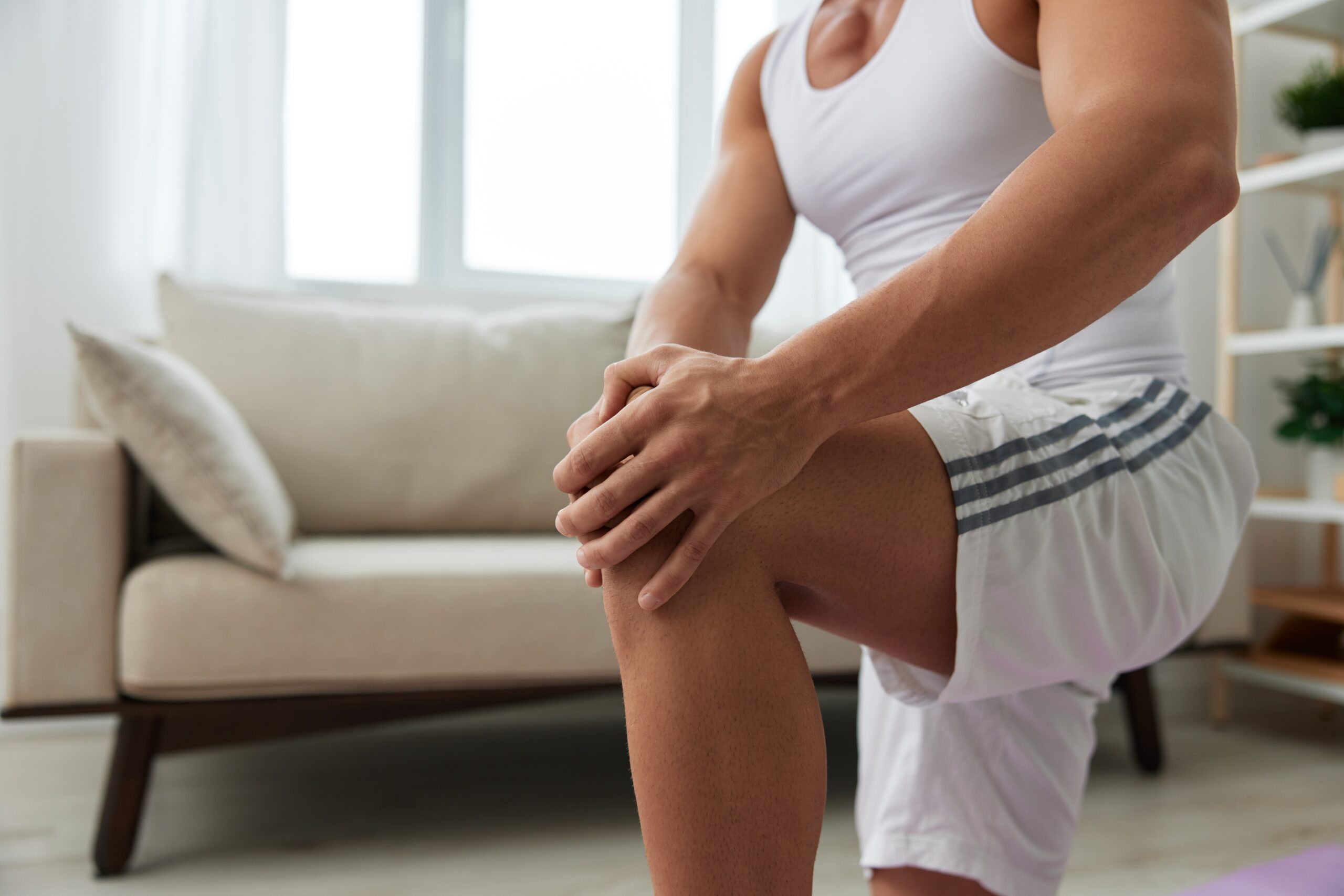 If you’re searching for a hip pain chiropractor in Chicago, there’s a good chance your pain started after doing more than your body was recently used to. Maybe you returned to walking after a slower season, started training again, took on a job that keeps you on your feet, or increased your daily steps. Then the pattern shows up: hip pain while walking, knee pain when climbing stairs, or low back and hip pain that gets worse after standing.
This type of pain is common in Chicago because daily routines often combine long commutes, hard floors, seasonal activity changes, and physically demanding work. The key is not just asking, “Where does it hurt?” The better question is, “What changed in your load, movement, posture, or recovery?”
Many hip and knee pain cases are mechanical, meaning they may be related to joint mobility, muscle imbalance, gait changes, overuse, lumbar stiffness, or poor load tolerance. A chiropractic evaluation can help identify the driver and build a conservative plan to help you move with more confidence.
Why hip and knee pain can appear when you start walking or training again
Your body adapts to the activity you do consistently. If you spend weeks sitting more than usual, then suddenly walk longer distances, return to the gym, or stand all day at work, your hips and knees may not be ready for that jump.
That does not always mean you have a serious injury. Often, it means your joints, muscles, tendons, and connective tissues need a smarter progression.
Common triggers include:
- A sudden increase in steps or walking distance
- Returning to squats, lunges, running, or incline walking
- Standing for long shifts on hard floors
- Wearing unsupportive or worn-down shoes
- Limited hip, ankle, or low back mobility
- Weak glutes or poor pelvic control
- Compensating because of low back pain
When the hip does not move well, the knee often absorbs extra stress. When the knee hurts, you change how you walk, and the hip or low back may start compensating. That is why a full-chain evaluation matters.
Hip pain while walking: what it may suggest
Hip pain while walking in Chicago can show up in different locations. The location does not diagnose the problem by itself, but it gives useful clues.
Pain on the outside of the hip
Pain on the outer hip may be related to irritation around the greater trochanter, gluteal tendon overload, or tension through the iliotibial band area. It often worsens with long walks, stairs, hills, or lying on the painful side.
MedlinePlus notes that greater trochanteric pain syndrome can be associated with overuse, standing for long periods, sudden activity changes, injury, arthritis, and foot problems.
Pain in the front of the hip or groin
Front hip or groin pain may be connected to hip flexor strain, joint irritation, limited hip mobility, arthritis, labral involvement, or overload from walking with longer strides than your body tolerates. MedlinePlus lists several possible causes of hip pain, including fractures, infection, arthritis, labral tears, and other hip joint problems.
Pain in the glute or back of the hip
Pain in the back of the hip or glute area may involve the low back, sacroiliac region, deep hip muscles, or nerve irritation. If you also feel numbness, tingling, weakness, or pain traveling down the leg, it is important to get evaluated instead of assuming it is “just tightness.”
Knee pain when climbing stairs: why it happens
Knee pain when climbing stairs in Chicago often appears when the knee is not tolerating repeated load well. But the knee is rarely working alone. Hip control, ankle mobility, foot mechanics, and low back posture can all change how stress moves through the leg.
Common patterns include:
- Pain around or behind the kneecap
- Pain going up or down stairs
- Discomfort standing from a chair
- Tightness after sitting
- Irritation after longer walks or work shifts
A frequent pattern is the knee drifting inward during steps, squats, or stairs because the hip is not controlling the leg well. Another is overuse of the patellar tendon or irritation around the kneecap due to a sudden increase in activity.
MedlinePlus explains that knee pain can have many causes, and home care may include temporary activity modification, support, and short-term symptom relief depending on the case.
Low back and hip pain: the connection many people miss
Low back and hip pain in Chicago is especially common in people who sit for long periods, drive often, or stand on hard surfaces. The lumbar spine, pelvis, and hip share load. When one area becomes stiff or irritated, another area often compensates.
You may notice:
- Hip pain after sitting
- Low back tightness after walking
- Pain shifting from one side to the other
- Glute discomfort that changes with posture
- Pain that worsens after long standing
A chiropractic evaluation can help determine whether the hip is the primary driver, the low back is referring symptoms, or both areas are contributing.
How a chiropractor may help with hip and knee pain
A chiropractor should not treat all hip and knee pain the same way. The first step is identifying whether your pain is driven by restricted joint motion, muscle imbalance, overuse, poor gait mechanics, lumbar stiffness, or a change in load.
A thorough chiropractic evaluation may include:
- Health history and activity timeline
- Gait and posture assessment
- Hip, knee, ankle, and lumbar range-of-motion testing
- Functional tests such as squat, step-down, balance, or single-leg stance
- Basic orthopedic and neurologic screening when appropriate
- Review of work demands, training changes, shoes, and recovery
Conservative treatment may include:
- Chiropractic adjustments or joint mobilization when appropriate
- Soft tissue therapy
- Hip and lumbar mobility work
- Glute, core, and balance exercises
- Activity modification and gradual loading
- Footwear and standing-work recommendations
The National Center for Complementary and Integrative Health explains that chiropractic treatment may involve stretching, pressure, and joint manipulation, with the goal of improving joint motion and function.
What to do before your visit
If there are no red flags, you can start with low-risk steps to calm irritation.
Reduce volume, not all movement
You usually do not need complete rest. Instead, reduce the amount of walking, stairs, standing, or training that triggers symptoms. The goal is to stay active without repeatedly flaring the area.
Walk in shorter blocks
Instead of one 45-minute walk, try 10–15 minutes and monitor how your hip and knee respond over the next 24 hours.
Avoid “testing” the pain
Deep squats, heavy lunges, running, or aggressive stretching can make symptoms worse if the tissue is already irritated.
Check your shoes
If you stand at work, shoe support matters. Worn-out shoes can increase load through the foot, knee, hip, and low back.
Red flags: when hip or knee pain needs prompt medical evaluation
Do not wait if you have:
- Inability to bear weight
- Severe swelling after an injury
- Visible deformity
- Severe pain after a fall or accident
- Fever, redness, warmth, or signs of infection
- Progressive weakness
- Rapidly worsening pain
- Numbness with loss of bladder or bowel control
If symptoms are mild to moderate, change with movement, and are linked to increased activity, a conservative evaluation may be a reasonable first step.
Comparison: chiropractor vs physical therapy vs waiting it out
| Option | Pros | Cons | Best fit |
|---|---|---|---|
| Chiropractic care | Evaluates mobility, spinal/pelvic mechanics, gait, and load patterns | Requires active follow-through | Hip/knee pain linked to movement, posture, or overuse |
| Physical therapy | Strong focus on strengthening, rehab, and progressive loading | May feel slower if stiffness is a major driver | Return to sport, work conditioning, long-term prevention |
| Waiting it out | No upfront time commitment | Compensation patterns may worsen if load stays high | Very mild pain that improves quickly |
| Medication only | May reduce symptoms short term | Does not correct mechanics or load tolerance | Temporary relief while beginning active care |
In many cases, the best approach is blended: restore motion, reduce irritation, improve strength, and progress activity gradually.
Why this is especially relevant in Chicago
Chicago routines can make hip and knee pain more likely:
- Long commutes and prolonged sitting
- Seasonal activity swings after colder months
- Standing jobs in restaurants, healthcare, warehouses, construction, and retail
- Hard floors and long work shifts
- Public transit stairs, walking, and weather-related slips or gait changes
A useful care plan should match real Chicago life. It should account for how much you walk, how long you stand, how you commute, what shoes you wear, and how quickly your activity increased.
Trust signals: what a good clinic should do
A credible chiropractic clinic does more than ask where it hurts. It should explain what may be driving the pain and how progress will be measured.
Look for:
- Clear explanation of findings
- Assessment of hip, knee, low back, foot/ankle, and gait
- Realistic home exercises
- Re-checks based on progress
- Activity and footwear guidance
- Referral when symptoms suggest a more serious issue
The goal is not endless visits. The goal is better mobility, better load tolerance, and more confidence walking, training, or working on your feet.
FAQs
1) Can a chiropractor help with hip pain while walking?
Yes, especially when the pain is related to limited mobility, low back stiffness, pelvic mechanics, gait compensation, or overuse. A chiropractic evaluation helps determine where the main driver is coming from.
2) Why does my knee hurt when climbing stairs?
Stair pain often happens when the knee is not tolerating load well. The issue may involve kneecap tracking, tendon irritation, hip weakness, ankle restriction, or poor movement control.
3) Can low back pain cause hip pain?
Yes. The low back, pelvis, and hip are closely connected. Lumbar stiffness, joint irritation, or nerve-related symptoms can create pain around the hip, glute, or leg.
4) Should I stop walking if my hip hurts?
Not always. It is often better to reduce walking distance and use shorter blocks. If pain keeps increasing, prevents weight-bearing, or changes your walking pattern significantly, get evaluated.
5) When should I worry about knee pain?
Seek prompt care if there is major swelling, inability to bear weight, locking, instability, severe pain after injury, fever, or pain that worsens quickly.
6) How long does hip or knee pain take to improve?
It depends on how long symptoms have been present, your work demands, training load, footwear, and consistency with the plan. Recent activity-related pain often responds better when addressed early.
If your hip or knee pain started after returning to walking, training, or standing work, Grandview Health Partners can help you identify the driver and build a conservative plan. The goal is simple: reduce irritation, improve mobility, restore load tolerance, and help you move through Chicago life with more confidence.


