
Early Thursday morning, a fire in Chicago’s Back of the Yards neighborhood sent at least four Chicago firefighters to the hospital after crews battled flames in a vacant building. While officials say all are expected to survive, incidents like this highlight how quickly intense physical strain, smoke exposure, and sudden impact injuries can affect first responders and nearby residents across Chicago, Illinois.
For people living and working on the South Side—and for anyone involved in emergency response—this type of event is a reminder that injuries don’t always end when the fire is out. Pain, mobility limitations, and delayed-onset symptoms often appear in the hours or days after a high-stress incident.
What we know so far about the South Side fire response
Where it happened
According to reports, the fire occurred in the 5400 block of South Justine Avenue, in a vacant building located in Chicago’s Back of the Yards area on the South Side.
When it happened
The incident was reported Thursday morning, when Chicago Fire Department crews were actively engaged in fire suppression operations at the property.
Who was involved
Chicago firefighters were injured during the response. Patch reported that a Chicago fire official confirmed four firefighters were transported from the scene to a nearby hospital—three listed in good condition and one in serious condition. All are expected to survive.
What happened during the incident
Firefighters were battling a blaze at a vacant structure. Vacant-building fires can be particularly hazardous due to unstable floors, hidden fire spread, debris, and unpredictable structural conditions that can increase the risk of falls, twists, impact trauma, and overexertion injuries.
What caused the injuries
As of the latest information shared publicly, it has not been confirmed what specifically led to the firefighters’ injuries.
Why these incidents often lead to lingering injuries and pain
In Chicago, Illinois, structure fires—especially in older or vacant buildings—can create injury scenarios that aren’t always obvious in the moment. Beyond burns and smoke-related concerns, many responders experience musculoskeletal injuries from the physical demands of the job: carrying equipment, forcing entry, operating hoses, climbing stairs, navigating debris, and making sudden movements under load.
Common post-incident complaints may include neck stiffness, back pain, shoulder strain, rib or mid-back pain from forceful twisting, hip discomfort, headaches, and nerve-related symptoms such as tingling or radiating pain. These can show up later, after adrenaline wears off.
How chiropractic care can support recovery after overexertion or impact events
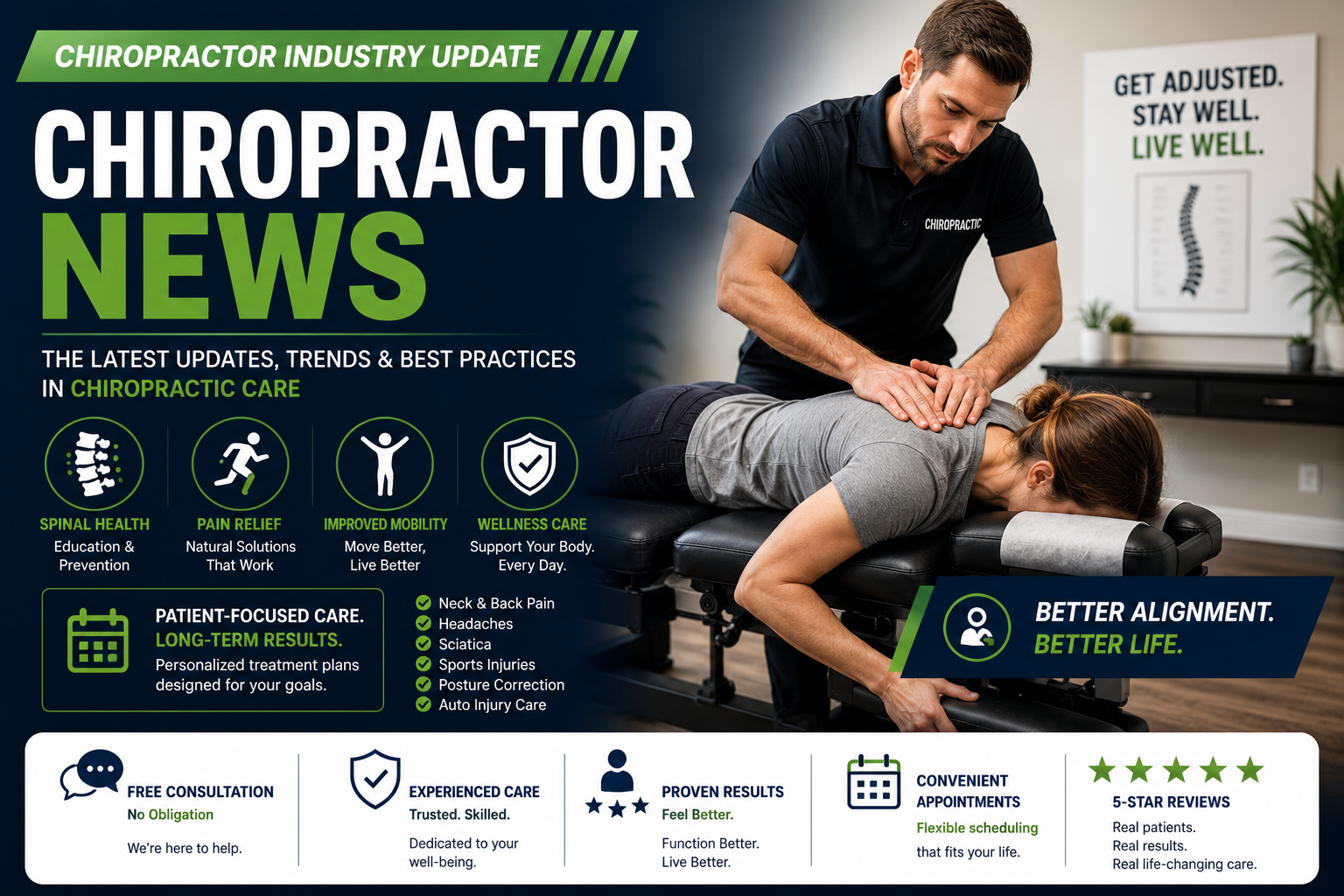
As a chiropractor-focused perspective, the priority after a physically intense event is to take symptoms seriously and document changes in function early. Chiropractic care is often used as part of conservative, non-surgical support for spine and joint-related injuries—helping restore mobility, reduce pain, and improve functional movement patterns after strain, sprain, or repetitive stress.
At Grandview Health Partners, chiropractic care may be appropriate for patients dealing with common musculoskeletal issues that can follow incidents like fire response activity or stressful physical events—such as low back pain, neck pain, joint restrictions, and soft-tissue strain—after proper evaluation and with referrals when red flags are present.
Why this matters locally across Chicago, Illinois
Chicago’s South Side has many older structures and vacant properties, and emergency calls can escalate fast when building conditions are unknown. Whether you’re a first responder, a construction worker, or a resident affected by nearby fire activity, the aftermath can include physically demanding cleanup, sudden lifting, disrupted sleep, stress tension, and prolonged inflammation.
For people in Chicago, Illinois—especially in neighborhoods near Back of the Yards—having a plan for prompt, appropriate care can help reduce the chance that a manageable injury becomes a chronic pain problem. In a city as active as Chicago, Illinois, staying mobile and functional is not a luxury—it’s essential for work, family responsibilities, and quality of life.
Actionable takeaways if you’re sore, stiff, or injured after a high-stress incident
- Get evaluated early: If pain, numbness, weakness, dizziness, or breathing issues appear, don’t “wait it out.” Early assessment helps rule out serious injury.
- Watch for delayed symptoms: Neck and low-back pain often worsens 24–72 hours after overexertion or minor trauma.
- Avoid self-diagnosing serious issues: Severe headache, chest pain, shortness of breath, confusion, or progressive weakness require urgent medical attention.
- Document what you feel: Note when symptoms started, what movements trigger pain, and whether it’s improving—this helps guide care decisions.
- Prioritize movement quality: Gentle, guided recovery (not aggressive “pushing through”) can help reduce compensation patterns that cause longer-term problems.
Frequently Asked Questions
Support for recovery in Chicago
If you’re dealing with back pain, neck stiffness, headaches, or joint pain after a physically demanding incident in Chicago, Illinois, consider scheduling an evaluation with Grandview Health Partners. Early, appropriate care can make a meaningful difference in comfort, mobility, and return to normal activity.
Credit: This article is a commentary-based rewrite for informational purposes, based on this source.


