
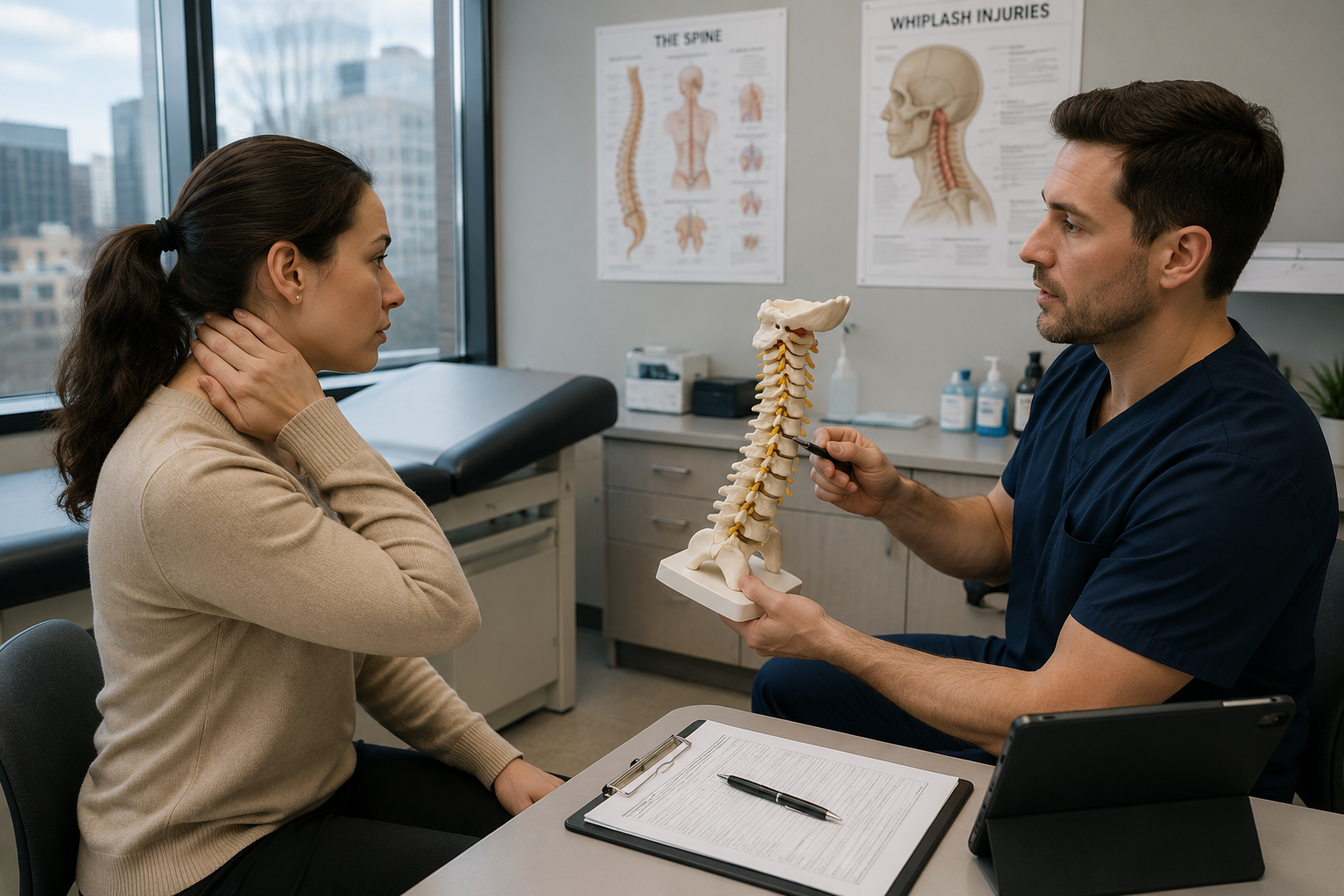
 For most people, the best answer to the chiropractor vs physical therapist after a car accident question is “both, in sequence” — a chiropractor is often the stronger first choice when sharp neck, back, or whiplash pain and spinal misalignment are your primary problem, while a physical therapist is the better fit when your main barrier is weakness, stiffness, or lost range of motion that needs to be rebuilt over time. The right starting point depends on your specific injuries, not on which profession is “better” overall. Below, we break down how each discipline works, what they typically cost, and exactly when to choose one over the other — with the realities of recovering in a busy city like Chicago in mind.
Understanding the Chiropractor
A chiropractor is a licensed healthcare provider who focuses on diagnosing and treating disorders of the musculoskeletal system — especially the spine. After a collision, the sudden force can knock vertebrae out of alignment, irritate nerves, and trigger the muscle guarding that drives so much post-crash pain. Chiropractic care addresses these problems directly.
How it works: The core tool is the chiropractic adjustment, a controlled, targeted movement applied to a joint to restore proper motion and relieve nerve pressure. Many chiropractors pair adjustments with joint manipulation and mobilization, soft-tissue work, and hot and cold therapy to calm inflammation. For crash victims specifically, a whiplash specialist can target the neck injuries that are so common in rear-end collisions on the Kennedy Expressway and Lake Shore Drive.
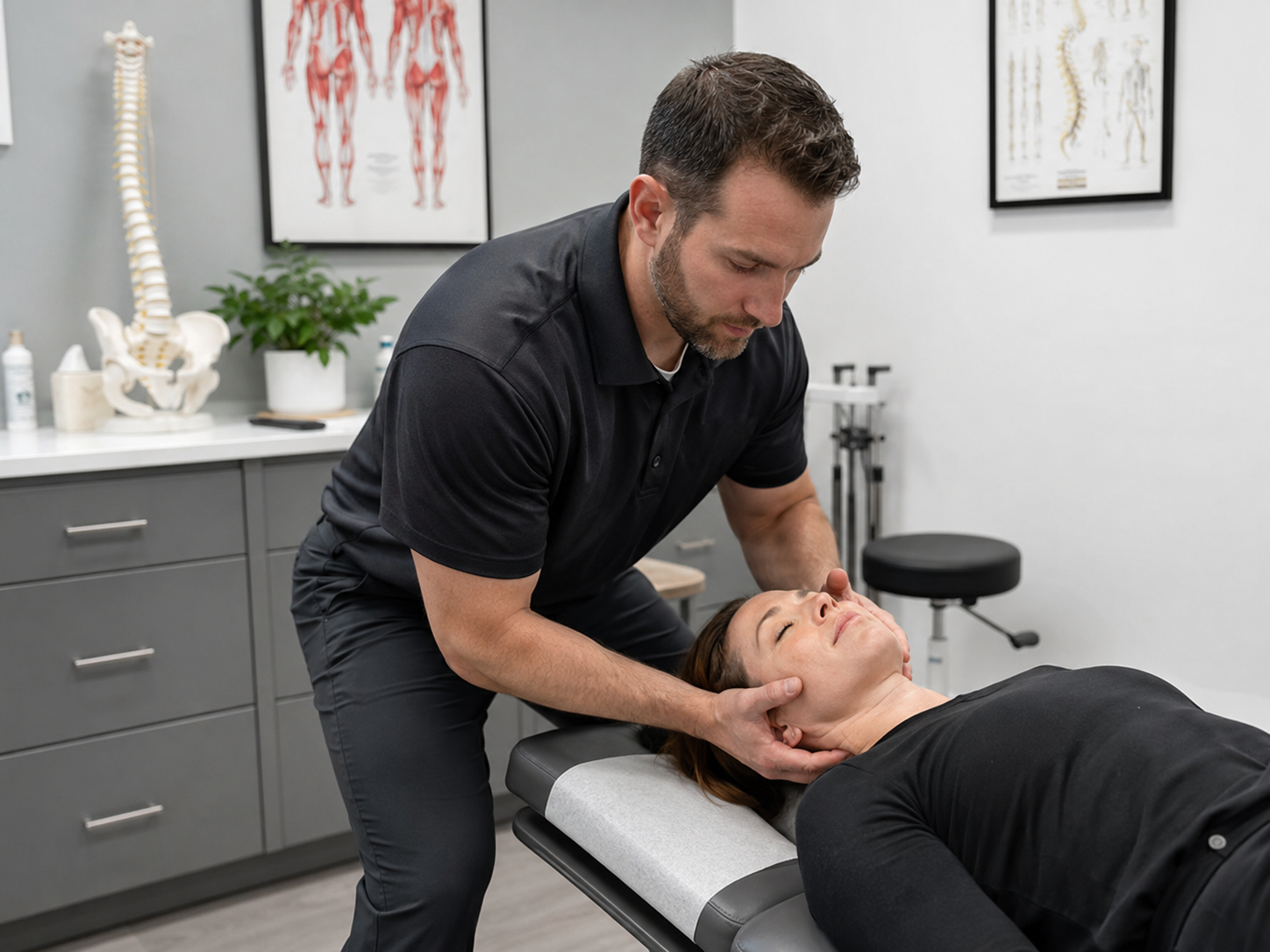 Typical costs: An initial chiropractic exam in the Chicago area often runs roughly $60–$200, with follow-up adjustments commonly in the $40–$120 range. Costs vary widely by clinic, imaging needs, and whether your visits are billed through auto insurance. In Illinois, treatment after a not-at-fault accident is frequently covered through the at-fault driver’s liability coverage or your own MedPay, so many patients pay little out of pocket — but always confirm specifics with your provider and insurer.
Core benefits: Fast relief of acute pain, improved spinal mobility, reduced reliance on pain medication, and detailed documentation that supports both your recovery and any injury claim.
Ideal use cases: Sharp or localized neck and back pain, headaches, whiplash, sciatica, and stiffness that appears in the days after a crash. Results vary from person to person, and a good chiropractor will refer out when an injury falls outside their scope.
Understanding the Physical Therapist
A physical therapist (PT) is a licensed rehabilitation expert who helps you rebuild strength, mobility, and function after an injury. Where chiropractic care often leads with hands-on correction, physical therapy leads with progressive, active rehabilitation designed to make your recovery stick.
How it works: A PT evaluates how you move, then builds a personalized program of therapeutic exercise, stretching, and manual therapy. To control pain and prepare tissue for movement, physical therapists also use clinical modalities such as electrical muscle stimulation, therapeutic ultrasound, and mechanical traction. The goal is steady, measurable progress: more range of motion this week than last, more strength next month than this one.
Typical costs: Physical therapy sessions in Chicago commonly range from about $75–$200 per visit, with initial evaluations on the higher end. As with chiropractic care, costs depend heavily on your plan and whether treatment is billed through auto-accident coverage. Many recovery plans involve one to three visits per week over several weeks, so the cumulative investment matters when comparing options.
Core benefits: Lasting functional recovery, reduced risk of re-injury, restored strength for daily tasks, and a structured plan you can eventually carry forward on your own at home.
Ideal use cases: Lingering weakness, post-injury stiffness, reduced range of motion, balance and gait problems, and the longer rehabilitation that follows more significant injuries or surgery. Outcomes depend on consistency and the nature of the injury.
Side-by-Side Comparison
| Attribute | Chiropractor | Physical Therapist |
|---|---|---|
| Primary focus | Spinal alignment, joint function, nerve relief | Strength, mobility, functional rehabilitation |
| Main approach | Hands-on adjustments and manipulation | Guided therapeutic exercise + modalities |
| Typical cost per visit | ~$40–$120 after initial exam | ~$75–$200 |
| Best for post-crash | Acute pain, whiplash, misalignment, headaches | Weakness, stiffness, long-term function loss |
| Speed of pain relief | Often faster for acute pain | More gradual, cumulative gains |
| Plan length | Short bursts, tapering as you improve | Multi-week progressive program |
| Auto-injury documentation | Strong | Strong |
Pros and Cons Breakdown
Pros of Seeing a Chiropractor
- Rapid acute relief — adjustments can ease sharp neck and back pain quickly.
- Drug-free approach — helps many patients reduce reliance on pain medication.
- Whiplash expertise — well-suited to the neck injuries common in rear-end Chicago collisions.
- Thorough claim documentation — supports both healing and any auto-injury case.
Cons of Seeing a Chiropractor
- Maintenance visits — some plans require ongoing sessions to hold gains.
- Not exercise-led — less focused on rebuilding long-term strength on its own.
- Comfort factor — patients nervous about manipulation may need a gentler, modality-based start.
Pros of Seeing a Physical Therapist
- Durable results — rebuilds strength and function so improvements last.
- Re-injury prevention — corrects movement patterns that leave you vulnerable.
- Highly personalized — programs scale precisely to your progress.
- Home-program payoff — you leave with tools to maintain recovery yourself.
Cons of Seeing a Physical Therapist
- Slower acute relief — gains are cumulative, not instant.
- Requires commitment — results depend on showing up and doing the work.
- Time cost — multiple weekly visits can be demanding around a Chicago commute and work schedule.
Which Option Is Better? (The Ultimate Showdown)
Here is the honest truth that gets lost in the chiropractor vs physical therapist after a car accident debate: they are not really competitors. They solve different parts of the same problem, and the smartest recovery often uses them together.
Choose a chiropractor first if your dominant symptom is pain — a stiff, painful neck, sharp back spasms, post-crash headaches, or the classic whiplash that flares a day or two after impact. Chiropractic care excels at calming the acute phase, restoring joint motion, and getting you out of the worst of it. This is frequently the right entry point in the first days and weeks after a collision.
Choose a physical therapist first if your dominant symptom is dysfunction — you can tolerate the pain, but you’ve lost strength, you can’t turn your head fully, you’re guarding an arm or knee, or you’re rehabbing after surgery. Physical therapy rebuilds the foundation so the injury doesn’t quietly become a chronic problem six months later.
On cost vs. long-term benefit: chiropractic care often delivers faster per-visit relief, which can mean a shorter early treatment window, while physical therapy is an investment in durability that lowers your risk of re-injury and recurring bills down the road. For many Chicago crash patients — particularly with whiplash or spinal injury — the highest-value path is chiropractic care to stabilize and relieve, then physical therapy to strengthen and protect. An integrated clinic that offers both under one roof, with coordinated pain management when needed, removes the guesswork entirely.
Recovering After a Crash in Chicago
Car accidents don’t slow down for the seasons here. Icy January mornings on the Dan Ryan, summer construction bottlenecks, and packed expressways all add up to a steady stream of collisions across the city. Two realities make local, timely care especially important: Chicago winters can stiffen already-injured muscles and make whiplash feel worse, and Illinois injury claims reward early, well-documented treatment. Waiting weeks to “see if it goes away” tends to cost you on both the medical and the insurance side. If you’ve just been in a crash, our guide on how a car accident can affect your spine is a useful starting point, and our overview of chiropractic treatment after auto accidents in Chicago explains what the first appointments usually look like.
Get a Personalized Recovery Plan
You don’t have to figure out the chiropractor vs physical therapist after a car accident decision alone. The best next step is a single evaluation with a team that can do both — assess your injuries, relieve your pain, and build the rehab plan that gets you back to your life. If you’re recovering from a collision in the Chicago area, explore our dedicated auto accident injury care page or read more about how we help people recover after a car accident in Chicago, then reach out to schedule a consultation. No pressure — just a clear, honest assessment of which path (or combination) fits your recovery.
Conclusion & Recommendation
When weighing a chiropractor vs physical therapist after a car accident, remember that you’re choosing a starting point, not a side. Lead with a chiropractor when pain and spinal misalignment are front and center; lead with a physical therapist when weakness and lost function are the bigger obstacle. For most Chicago crash patients — especially those with whiplash — the strongest outcomes come from combining the two: chiropractic care to relieve and realign, then physical therapy to rebuild and protect. Whatever you choose, start early, document everything, and work with providers who put your full recovery ahead of any single technique.
Frequently Asked Questions
1. Should I see a chiropractor or physical therapist first after a car accident?
1. Should I see a chiropractor or physical therapist first after a car accident?
If sharp pain, whiplash, or spinal misalignment is your main issue, a chiropractor is often the better first stop. If your main problem is weakness, stiffness, or lost range of motion, start with a physical therapist. Many people benefit from chiropractic care first, then physical therapy. Results vary by injury.
2. Can I see both a chiropractor and a physical therapist at the same time?
2. Can I see both a chiropractor and a physical therapist at the same time?
Yes. The two disciplines complement each other, and a coordinated plan that uses chiropractic care for pain relief and alignment alongside physical therapy for strengthening is common and often effective. An integrated clinic can manage both so the care doesn’t overlap or conflict.
3. How soon after a car accident should I seek treatment?
3. How soon after a car accident should I seek treatment?
As soon as possible — ideally within a few days. Some injuries, like whiplash, don’t fully surface until 24–72 hours later. Early treatment supports better recovery and creates the documentation that matters for Illinois auto-injury claims.
4. Will insurance cover chiropractic or physical therapy after a crash in Chicago?
4. Will insurance cover chiropractic or physical therapy after a crash in Chicago?
Often, yes. In Illinois, care after a not-at-fault accident is frequently billed through the at-fault driver’s liability coverage or your own MedPay benefits. Coverage varies, so confirm the details with your provider and insurer before treatment.
5. Is a chiropractor or physical therapist better for whiplash?
5. Is a chiropractor or physical therapist better for whiplash?
Whiplash is a neck and spine injury, which is squarely in a chiropractor’s wheelhouse, so chiropractic care is often the first line. Physical therapy then helps restore strength and full range of motion as you heal. For stubborn cases, combining both tends to work best.
6. How long does recovery take?
6. How long does recovery take?
It depends on the severity of your injuries and how consistent you are with treatment. Mild cases may resolve in a few weeks, while more significant injuries can take several months. Your provider can give a realistic timeline after evaluating you.
7. Does chiropractic care or physical therapy hurt?
7. Does chiropractic care or physical therapy hurt?
Most patients tolerate both well. Adjustments may produce brief pressure or a popping sensation, and therapeutic exercise can cause mild, temporary soreness. Tell your provider about any discomfort so they can adjust your plan.
8. What if my pain comes back months later?
8. What if my pain comes back months later?
Recurring pain is common when an injury isn’t fully rehabilitated. This is exactly where physical therapy helps — by rebuilding strength and correcting movement patterns — and where periodic chiropractic care can keep you aligned. A follow-up visit can identify what’s driving the return.


