
Illinois leaders are making a last-ditch push to keep the Chicago Bears in-state, and the latest idea centers on creating or empowering a local stadium authority to help finance a new or redeveloped venue. While the headlines focus on politics and pro football, the ripple effects are much more personal: large-scale stadium projects can reshape traffic patterns, construction timelines, public funding priorities, and community health behaviors across the region.
For people who live and work in Illinois—especially around Chicago and the surrounding suburbs—this kind of development can also influence everyday injury risk, from construction-zone accidents to increased driving congestion and event-day strain. That’s where proactive, whole-body care matters, including chiropractic support for mobility, back pain, neck pain, and soft-tissue stress.
Why this stadium push is back in the spotlight
The ongoing conversation about the Bears’ long-term home has intensified as decision-makers explore new structures to get a deal done—potentially involving a stadium authority that could issue bonds, manage revenue streams, or coordinate development financing. The underlying goal is to keep the Bears rooted in Illinois while balancing costs, taxpayer exposure, and regional economic promises.
What the proposal signals for Illinois residents
Who is involved
The discussion involves state and local officials, policymakers, and stakeholders connected to professional football and regional development. The Bears’ future location is the central catalyst, but the mechanisms being discussed (like a stadium authority) can bring in multiple layers of governance and long-term planning.
What is being considered
At the center is a “Hail Mary” concept: using a local stadium authority model to support a stadium plan. Stadium authorities can help manage large capital projects by coordinating financing tools, oversight, and revenue allocations tied to major venues.
Where it matters most
While the Bears are a Chicago institution, the impact is statewide and especially concentrated in the Chicago metro area—where traffic, infrastructure, and construction activity can affect daily commutes, local businesses, and neighborhood safety.
When decisions could accelerate
These kinds of proposals often move quickly once political and financial pieces align. For residents in Illinois, that can mean sudden shifts in road construction schedules, increased congestion, and more frequent high-volume event-day travel patterns.
Why this matters beyond sports
A stadium is not just a building—it’s a long-term change in how people move, work, and gather. Over time, that can influence accident rates near construction corridors, repetitive strain for workers, and the physical stress associated with longer commutes and stop-and-go driving around Chicago, Illinois.
The health angle most people miss: event growth can mean injury growth
When major venue development ramps up, communities often see a parallel rise in everyday musculoskeletal complaints. In Illinois, that can show up as:
1) More time in the car due to lane closures and detours, which can aggravate low back pain and sciatica-like symptoms.
2) Increased slips, trips, and falls near crowded event areas—especially during winter months common in Chicago, Illinois.
3) Higher incidence of minor auto collisions in congested corridors, leading to whiplash, neck stiffness, headaches, and mid-back tightness.
4) Added workload for construction and service workers, increasing the risk of overuse injuries, shoulder strain, and spinal joint irritation.
From a chiropractor’s perspective, the “hidden cost” of big civic projects is often the accumulation of physical stress on the community: more sitting, more sudden braking, more lifting, more repetitive motion, and more acute flare-ups that people try to “push through.”
How chiropractic care connects to stadium-area growth in Illinois
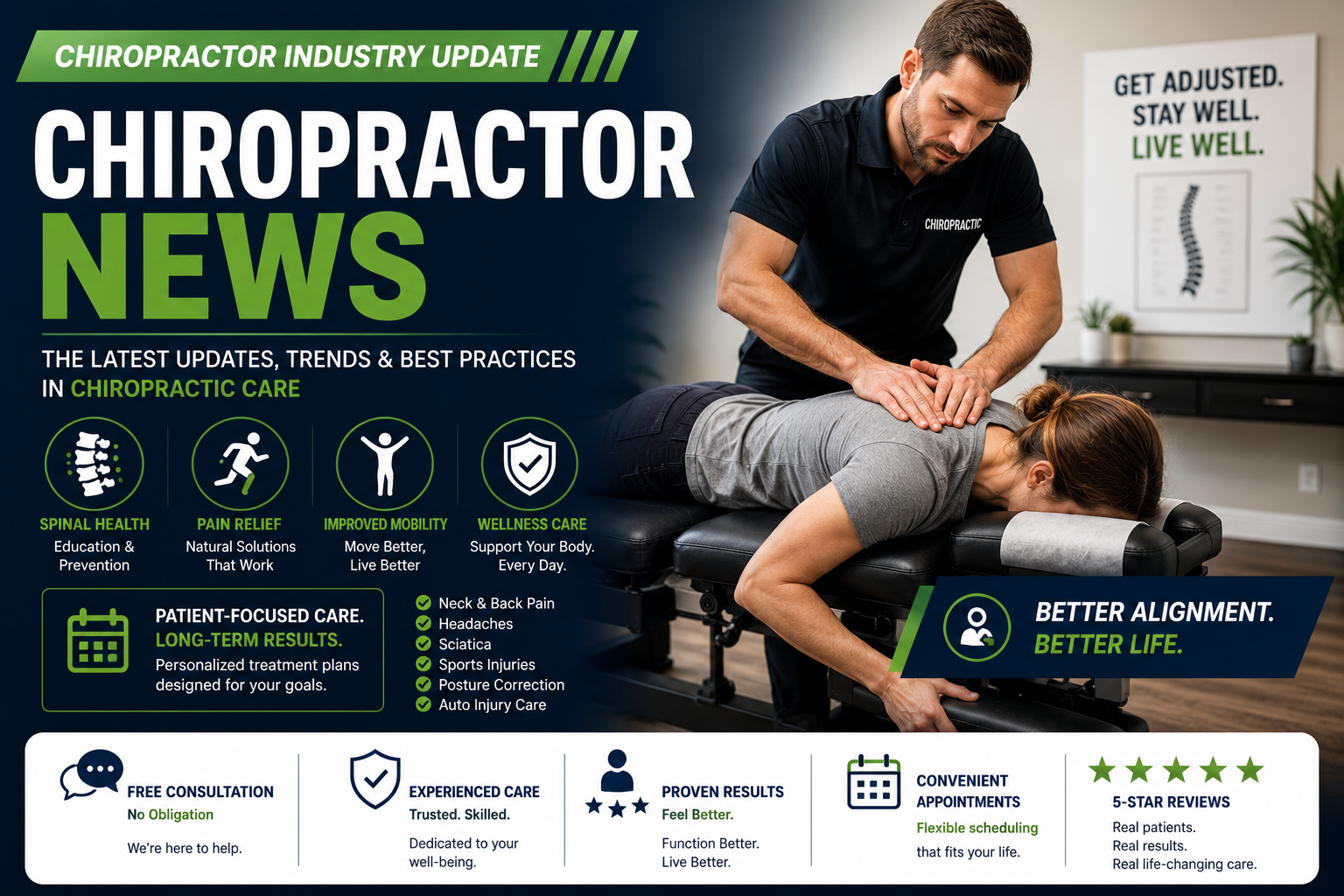
Chiropractic care can be a practical, non-surgical option for people dealing with pain and mobility limitations related to daily life changes—whether that’s a longer commute, a minor collision near a busy Chicago, Illinois roadway, or repetitive strain from physically demanding work.
At Grandview Health Partners, chiropractic-focused care can help patients address common issues that often increase during periods of heavy construction and major-event activity, including back pain, neck pain, posture-related discomfort, and movement restrictions. The goal isn’t just short-term relief; it’s helping people restore function, improve range of motion, and reduce recurring flare-ups so they can keep up with work, family, and daily routines in Illinois.
What to do now if traffic, construction, or event-days are affecting your body
- If you’re driving more in Chicago, Illinois, adjust your seat and steering position to reduce neck and low-back strain; small posture changes can prevent big flare-ups.
- After a minor car accident, don’t ignore “just sore” symptoms—whiplash and soft-tissue strain can worsen days later.
- If you work on your feet or lift frequently, address early warning signs (tightness, reduced range of motion, tingling) before they become chronic.
- Be cautious with painkillers as the only plan; they may mask symptoms without improving movement or stability.
- Consider a check-in for functional movement and spinal mechanics if discomfort lasts more than 7–10 days or keeps returning.
Frequently Asked Questions
Next step: protect your mobility as Illinois changes
Whether the Bears’ stadium plans move forward in Chicago, Illinois or elsewhere in Illinois, large development projects tend to increase physical stress on residents through traffic, work demands, and crowded public spaces. If you’re noticing nagging back pain, neck stiffness, headaches, or reduced mobility, Grandview Health Partners can help you address the root cause and build a plan for more comfortable daily movement.
Credits: This article is a commentary-based rewrite for informational purposes, based on this source.


